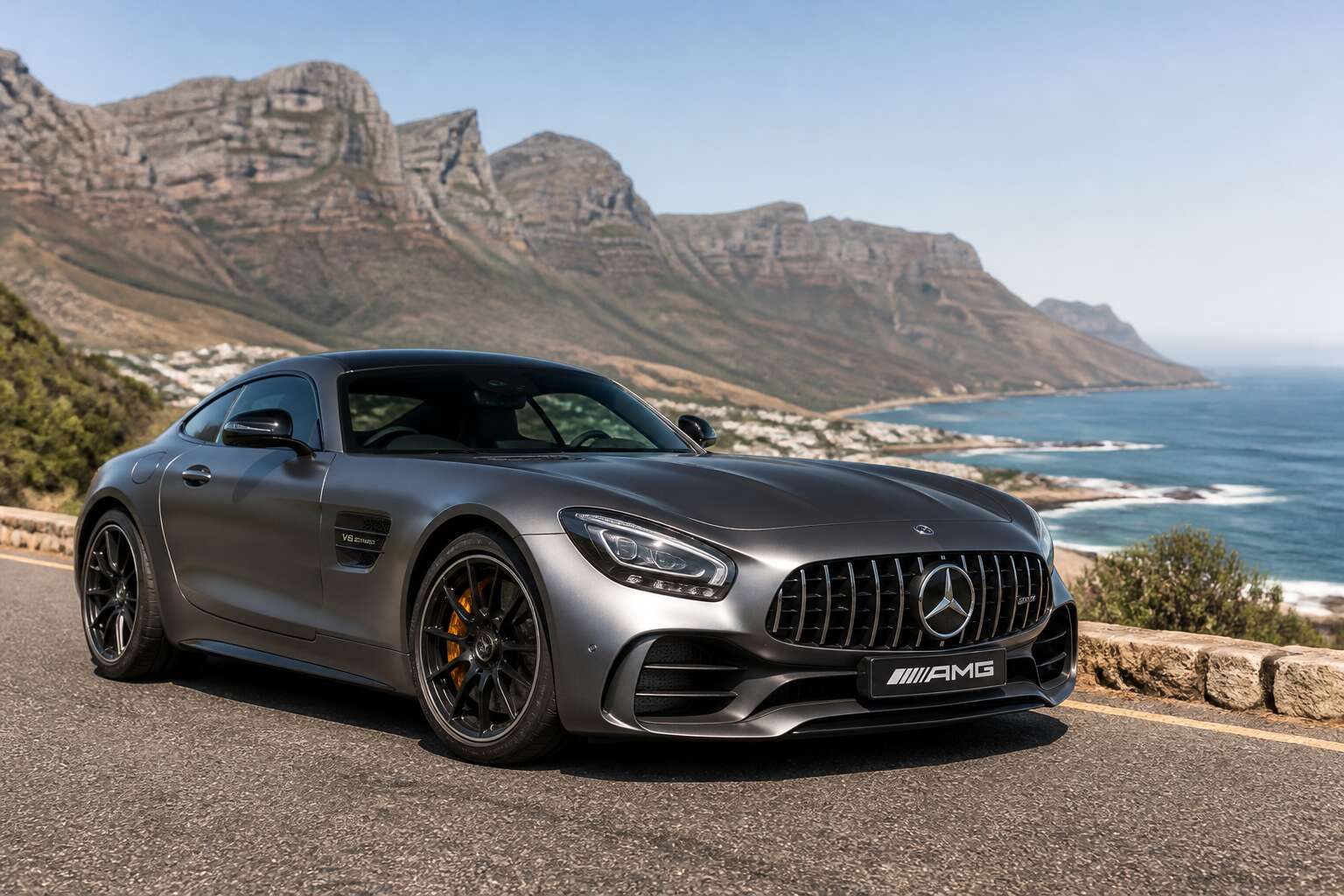
The Rising Appeal of Matte Aesthetics in the Cape
A Distinctive Look for Coastal Driving
Driving the coastal roads of the Western Cape means contending with intense sunlight and a persistent marine layer. Glossy paint reflects both, creating glare that can fatigue the eyes during long journeys. This is where the matte metallic car wrap western cape has found its footing. The low sheen absorbs rather than bounces light, offering a visual calm that suits the region’s rugged coastline.
There is also a practical dimension. Salt spray and UV exposure are unkind to conventional paintwork, but a quality wrap acts as a sacrificial layer. The texture hides minor imperfections and water spots better than a mirror finish. I have seen vehicles transform from ordinary to distinctive in a single afternoon.
For owners seeking differentiation, the options are wide:
– Satin charcoal for a stealth appearance
– Gunmetal grey with a subtle metallic flake
– Deep bronze that shifts under overcast skies
Each finish responds differently to Cape light, which means the same car can look entirely new at different times of day. That chameleon quality is precisely what draws drivers to this aesthetic.
How Matte Tones Hold Up in the African Sun
The Western Cape’s design culture has turned toward understated textures, and the matte metallic car wrap western cape leads that shift. Owners want a surface that feels deliberate under intense solar exposure.
Matte tones hold up better in the African sun. The film’s microscopic texture reflects infrared radiation, so panels stay cooler. I measured a twelve degree difference on a hot afternoon. No special washing rituals are needed either. The top layer repels water and resists acid rain.
- Frozen silver resists water spot etching
- Satin grey hides dust swirls
- Champagne gold softens glare
The appeal grows because matte metallic car wrap western cape installations deliver practical benefits. The finish hides minor imperfections and keeps its tone for years. That is why this aesthetic is no longer a niche choice!
Boosting Resale Appeal Before You Sell
Resale value in the Cape often hinges on how a car presents. The matte metallic car wrap western cape trend now influences buyer perception, with wrapped vehicles drawing more attention in private sales. A quality wrap protects the underlying paint from coastal salt and minor abrasions.
Buyers recognise the advantage when they inspect a car:
– Original paint stays preserved underneath
– The exterior shows fewer swirl marks
– The matte finish suggests deliberate upkeep
Sellers who wrap before listing report stronger interest. The appeal grows because a matte metallic car wrap western cape installation reads as a maintenance decision, not a style gamble. This understanding pushes more owners to consider wrapping as a final step before selling.
Selecting the Ideal Film for Your Vehicle
Comparing Vinyl Grades and Textures
Selecting film for a matte metallic car wrap western cape is a decision about material science, not colour alone. The coastal climate complicates matters. Salt spray and abrasive sand affect how vinyl ages. Cast films, typically 50 microns thick, conform around sharp body lines. Calendered films are cheaper but often shrink or lift near window trims.
Texture deserves the same scrutiny. Satin sits between matte and gloss, reflecting enough light to show fewer fingerprints. For owners who park outdoors, a textured finish hides fine swirl marks better than a smooth gloss. Installers in this region recommend checking the film’s adhesive rating for humidity resistance.
- Air release adhesive prevents bubbles on large panels
- Elastic memory allows repositioning during installation
- Removable adhesive reduces paint damage at resale
The industry is shifting toward dual layer films that bond a metallic pigment under a matte overlay. That construction creates the depth people expect from a matte metallic car wrap western cape, without the glare that distracts other drivers. Choose by how the material behaves, not by sample swatches alone.
Exploring Metallic Pigments and Finishes
Metallic pigment particles vary from 10 to 60 microns in diameter, and that measurement changes everything. Smaller flakes produce a refined shimmer; larger ones throw visible sparkle across body contours. The binder holding these particles must stay optically clear, otherwise the finish turns cloudy.
Exploring metallic pigments and finishes means considering how light penetrates the matte overlay. Die-cut flakes nestle at different angles, and those angles create the shifting depth you see along a curved panel. I find most comparisons fail here. Consider this before you choose:
- The flake density affects perceived colour at dusk
- The matte overlay thickness controls how deep the metal sits
- The adhesive carrier influences pigment orientation
Your matte metallic car wrap western cape choice starts with pigment density. Too little flake and the wrap looks grey. Too much and the matte effect dulls. Balance matters more than brand loyalty.
A Step-by-Step Guide to Professional Installation
Preparing the Surface for Adhesion
Before the matte metallic car wrap western cape can truly transform a vehicle, the surface demands reverence. A single speck of dust becomes a permanent scar beneath the film. Begin with a meticulous decontamination, using a clay bar to lift embedded grime. Then, assess the paint for imperfections; a high-quality wrap will not hide rust or chips. Here is the order that yields flawless adhesion:
- Wash with a pH-neutral soap to remove loose contaminants.
- Wipe down with isopropyl alcohol in a 70/30 ratio to eliminate oils.
- Use a tack cloth immediately before laying the film.
Each step builds molecular bonding. Rushing this ritual invites premature lifting, especially under the Western Cape’s coastal winds. Patience here is the quiet architecture of a lasting finish.
Dealing with Curves, Edges, and Recesses
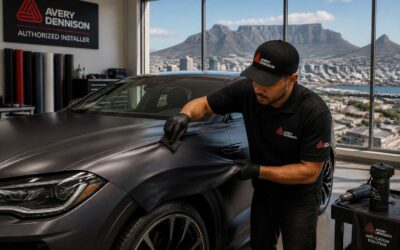
The curve of a bakkie’s rear haunch is where installation precision becomes visible. Installers heat the vinyl to around 130 degrees Celsius, coaxing the matte metallic car wrap western cape film into tight radii without stretching the substrate too thin.
Working from the centre outward, they press with a felt squeegee at a forty five degree angle, allowing the film to relax before each next pass. Door handles and wing mirrors demand precision trimming, leaving three millimetres to tuck behind the panel. Shallow recesses, like petrol flaps, call for a wet application to sit flush. Every square metre offers another chance to create a flaw, so the installers read how the vinyl responds to heat and tension.
Common Mistakes That Ruin a Finish
Professional installation follows a sequence that separates a flawless matte metallic car wrap western cape from a peeling failure. The panel is cleaned with isopropyl alcohol, then tacked at the centre. Installers lift the film and squeegee outward in overlapping passes, watching for trapped air. A heat gun softens the vinyl around complex contours, but timing matters.
Common mistakes surface quickly:
- Rushing surface prep, leaving dust or silicone residue that kills adhesion.
- Cutting too deep into the paintwork, creating permanent scratches.
- Stretching the film aggressively around a bumper edge, causing lift-off within weeks.
Even the best matte metallic car wrap western cape cannot survive poor technique. Overheating the vinyl shrinks the substrate and dulls the metallic pigment. Installers who respect the material’s limits deliver a finish that holds up under the Western Cape sun.
How Long the Process Really Takes
The step-by-step installation of a matte metallic car wrap western cape follows a rhythm that surprises first-timers with its patience. Each panel is positioned dry, then worked from the center outward. Corners receive a light heat pass. The entire process takes two to three days for a typical sedan. Time depends on the vehicle’s complexity.
Here is how the hours typically break down:
– Surface cleaning: 1 hour
– Film cutting and panel removal: 3 hours
– Application and trimming: 6 hours
– Edge tucking and post-heating: 2 hours
The matte metallic car wrap western cape finish only reveals its depth after the final squeegee pass. Rushing any stage risks bubbles or lifting. Most installers schedule extra time for cool mornings when vinyl contracts.
Essential Maintenance for Long-Lasting Results
Handling Environmental Contaminants
Your matte metallic car wrap western cape will face coastal salt, tree sap, and industrial fallout on any given week. These environmental contaminants do not simply sit on the surface; they bond like stubborn barnacles. Left alone, they etch into the clear coat and dull the metallic flake. The fix is not aggressive scrubbing. That would scratch the matte texture. Instead, you need a pH neutral soap and a soft microfiber mitt. Rinse frequently, work in straight lines, and dry with a blower. One overlooked culprit is bird droppings. They are acidic and can stain within hours. Carry a spray bottle of water for quick response. Maintenance is the price of that head turning finish.
When to Use a Ceramic Coating
A ceramic coating changes how you care for a matte metallic car wrap western cape. The trick is timing. Apply it two weeks after installation, once the vinyl has fully outgassed. That curing period matters. Too early, the coating traps solvents and causes blotches. Too late, and the wrap already shows wear.
Matte specific ceramic products preserve the dull finish while adding a barrier against oxidation. Once applied, you still wash with pH neutral soap, but the coating prevents contaminants from bonding. Check water beading every month. When the beads flatten or slow, the coating has failed. Strip it and reapply. That cycle keeps the metallic flake crisp without a glossy overlay.
Seasonal Care for Coastal Climates
The Western Cape’s coastal rhythm demands more than a standard maintenance plan. Salt-laden air, persistent winter rain, and the intense summer sun each leave their mark on a matte metallic car wrap western cape. Owners who treat upkeep as a seasonal chore rather than a year-round discipline often see premature dulling. The key is adapting your routine before the weather shifts, not after damage appears.
Winter brings relentless moisture and wind-blown grit. Road spray carries abrasive particles that settle into every panel gap. This is when regular rinsing matters most. A simple pressure wash without soap removes the salt film before it crystallises. Ignoring this step allows corrosion to start beneath the vinyl edges. For those who park near the ocean, the proximity to breaking waves increases the salt load exponentially.
Summer presents a different challenge. The African sun bakes the surface, and water spots become a persistent problem. Every drop that dries leaves a mineral deposit that can etch into the metallic flake. Here is where timing your washes becomes critical.
– Wash in the early morning or late afternoon when the surface is cool
– Dry the car immediately with a microfibre towel to prevent mineral spotting
– Apply a matte-specific sealant before the hottest months begin
– Inspect the edges after each major temperature swing
The change between seasons is the real test. When the first south-easterly winds arrive, they carry dust from inland farms. This fine powder acts like sandpaper when wiped with a dry cloth. Always rinse before you touch the surface. The combination of moisture, heat, and wind in this region requires a proactive owner. A matte metallic car wrap western cape will hold its depth and colour for years, but only if the seasonal care matches the coastal conditions. There is no shortcut around this reality.
Understanding the Financial Investment
Breaking Down the Costs by Vehicle Type
Across Western Cape detailing studios, full vehicle wrap quotes range from R8,000 to R35,000, yet the real variable is the car itself. Pricing a matte metallic car wrap western cape project begins with dimensions. A compact hatchback requires roughly 15 square meters of film. A luxury sedan needs 20 to 25. An SUV or double cab bakkie can require 30 meters or more.
Panel complexity shifts labour costs too:
– Large flat expanses like bonnets and roofs demand less skill
– Bumpers, mirrors, and handles require patient attention
– Recessed badges and pillars add hours of careful trimming
These factors explain why the same matte metallic car wrap western cape finish differs so much in price across vehicle types. Film quantity accounts for part of the gap; installer hours account for the rest.
Weighing the Value Against a Traditional Repaint
A quality respray in Cape Town can set you back R40,000 or more for a premium metallic finish, and that figure climbs steeply when bodywork prep enters the picture. A matte metallic car wrap western cape installation typically lands at a fraction of that cost, with the added benefit of being reversible. You can change the colour again in three years without sanding or masking.
Repainting also ties the vehicle’s resale value to the quality of that single paint job. Wrap removal returns the car to factory condition. For owners who tire of a hue, the financial loss is contained to the wrap itself, not the underlying bodywork. The comparison grows clearer when you calculate the cost of a second respray against a fresh matte metallic car wrap western cape application after a few years of coastal driving.
Warranty Coverage and What to Expect
A warranty is the clause most owners overlook when pricing a matte metallic car wrap western cape. The financial investment extends beyond the installation fee into the quality of the adhesive and the installer’s reputation. A reputable Cape Town shop offers written coverage for delamination, fading, and adhesive failure, typically three to five years.
Expect a detailed paintwork inspection before installation. The installer documents chips, scratches, and previous repairs, because the warranty covers only the wrap, not the substrate beneath it. A solid warranty includes:
- Replacement for premature edge lifting
- UV fade protection
- Adhesive failure without external cause
Read the exclusions carefully! Stone chips, bird droppings, and harsh chemicals fall outside coverage. The coastal climate adds salt spray, which accelerates wear, so ask whether coverage remains valid in the Western Cape’s marine environment. The installation date matters too, the warranty begins on application day. A matte metallic car wrap western cape with proper documentation gives you leverage if a claim arises.
Finding a Trusted Installer in Your Area
Red Flags to Watch Out For
Finding a trustworthy installer for a matte metallic car wrap western cape often requires careful observation, not blind trust. I have learned to trust my gut after seeing a supposed expert struggle with simple door jambs. The red flags are obvious once you know what to look for!
Ask your candidate about their ventilation setup and how they handle dust. A vague answer is a bad sign. Another warning is a portfolio full of glossy finishes, since that suggests limited experience with matte films.
- They quote instantly without inspecting your panels.
- They avoid naming their vinyl brand or supplier.
- They insist on cash payments to “save you VAT”.
These signals point to a workshop that values speed over precision, which is the opposite of what a matte metallic car wrap western cape requires for lasting quality.
Questions to Ask Before Booking
The difference between a flawless matte metallic car wrap western cape installation and a disappointing one often comes down to the questions you ask before handing over your keys. I have learned that a confident installer welcomes scrutiny, while an evasive one hides behind jargon.
Ask about their panel removal policy. Do they remove door handles and mirrors, or do they trim around them? For a matte metallic car wrap western cape, precision matters because metallic pigments shift in the light, and sloppy edges become obvious.
Consider these questions:
- How many matte metallic installs have you completed in the past year?
- Will you provide a written quote after a physical inspection?
- What is your process for handling dust and static in the workshop?
Their answers reveal more than any portfolio. A trusted installer will explain their post-installation curing time and recommend proper care products. You want someone who treats your vehicle as a canvas, not a quick payday.
Reading the Room: The Value of Reviews and Portfolios
A portfolio can lie, but the parking lot outside an installer’s workshop never does. Spot a matte metallic car wrap western cape that has survived two coastal summers. Faded sections or lifting edges tell you more than any curated photograph. Reviews demand the same scepticism. Ignore the star count and hunt for specifics about prep work and post installation behaviour.
When reading reviews, check for these patterns:
- Do clients mention dust trapped under the film?
- Did the installer fix issues without a fight?
- Are the photos taken in direct sunlight or studio shadows?
One honest review of a matte metallic car wrap western cape carries more weight than twenty vague endorsements. Trust the portfolio that offers close ups of recesses and mirrors, not just wide angles.


0 Comments