Why Local Businesses Are Turning to Fleet Branding
Turn Every Kilometre into Free Advertising
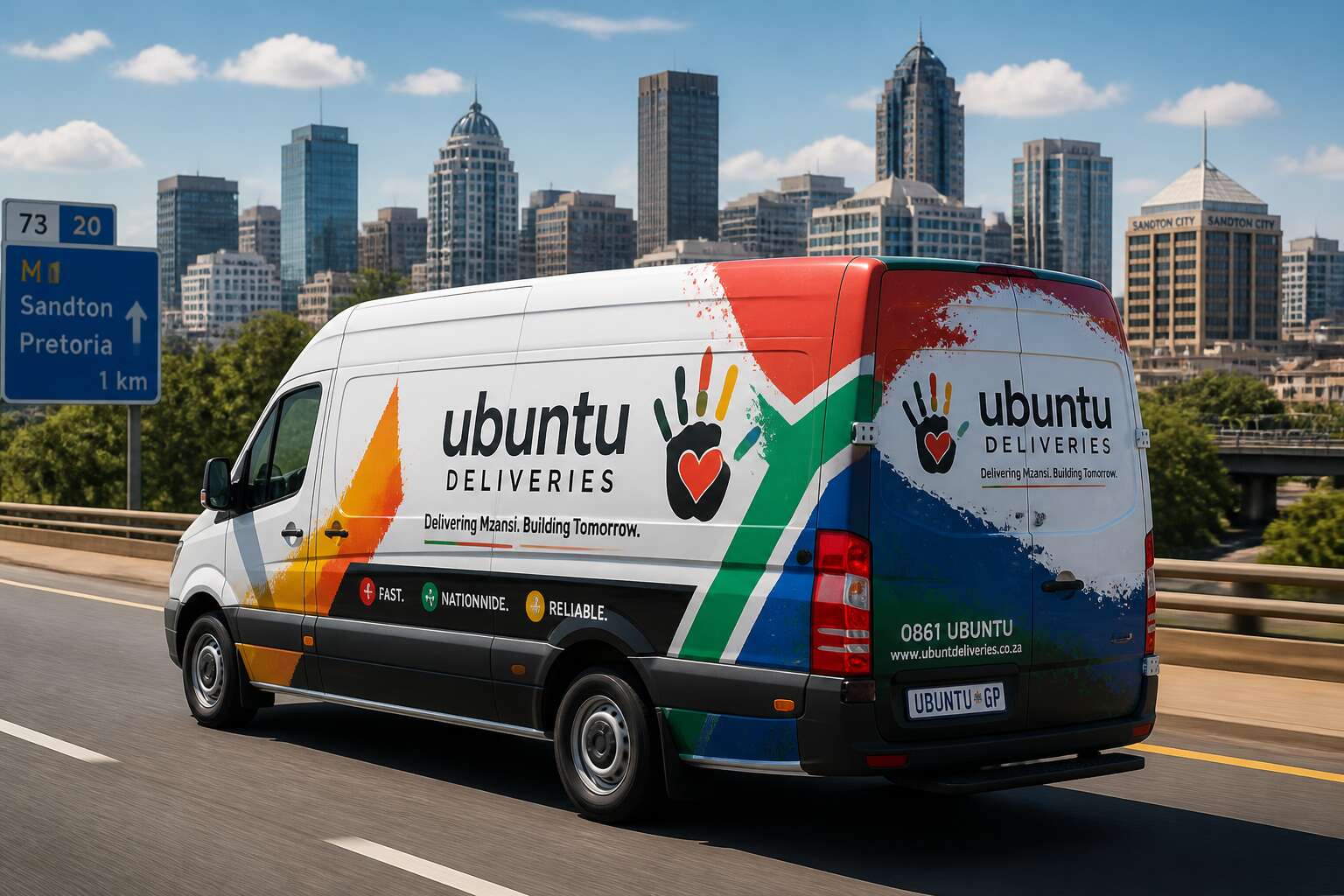
Every morning, thousands of vans and bakkies crawl through South African traffic. For the companies behind those vehicles, that idle time has real value. A single wrapped vehicle can generate up to 70,000 daily impressions, according to industry studies. That outpaces most static billboards on cost per view, and it travels right to your customers.
Local businesses now see the logic. A one time payment for branded company car wraps south africa replaces endless ad slots that vanish when you stop paying. Your delivery fleet works every kilometre without extra cost. Unlike a radio ad, it doesn’t switch off when you switch budgets.
Building Trust with Consistent Visual Identity
Customers notice patterns. The same van outside the school, the same bakkie at the robots, the same livery at the depot. That familiarity becomes assurance. Investing in branded company car wraps south africa signals permanence. A company that looks established usually is established.
Consistent visual identity creates a mental shortcut. Clients see your colours and recognise your work before you speak. I have seen this work in towns where word of mouth carries weight. Your vehicles become walking references, showing your service is active and present.
Consider what a fleet says about a business:
- It shows discipline in maintenance
- It shows care for detail
- It shows scale, even with two vehicles
Branded company car wraps south africa give smaller operations the same visual authority as large corporates. That consistency builds trust without a single conversation.
A Cost-Effective Alternative for SMEs
Most SMEs spend their first two years trying to look larger than they are. A rented office. A virtual receptionist. A bakkie carrying the dealership sticker. Branded company car wraps south africa cost less than a full respray while protecting the original finish underneath.
Consider what a modest investment covers:
- Protection against stone chips and scratches
- Removal without damaging factory paintwork
- A refreshed appearance when the wrap reaches retirement
The economics favour the pragmatic. Print campaigns demand constant renewal. Radio spots fade within seconds. A wrapped vehicle sits at traffic lights every morning and parks at client premises all afternoon. The cost amortises over years of silent promotion!
I have watched garden services, plumbing companies and courier operations outperform competitors because their branded company car wraps south africa are impossible to ignore. A rival can match your prices. Presence is harder to copy.
Selecting Wrap Materials Built for South Africa’s Climate
Choosing Vinyl That Handles Intense UV Exposure
South Africa averages over 2,500 hours of blazing sunshine every year. That relentless UV bombards vehicle surfaces daily, fading colours and breaking down weak vinyl. Choosing the wrong film for your branded company car wraps south africa means costly reinstallation within months.
Consider these material traits:
– Cast vinyl with UV inhibitors, since cast films hold colour better than calendared alternatives.
– High-grade laminate to shield against harsh rays and airborne grit.
– Adhesives engineered for hot panel temperatures.
The right film maintains deep, vibrant hues across your fleet. It also withstands coastal salt and Highveld ozone, preserving your brand’s polish. Investing in climate-specific material guarantees your branded company car wraps south africa survive their first summer without looking weathered. Quality film pays for itself through extended durability and fewer replacements.
Resisting Coastal Salt and Humidity
South Africa’s coastline stretches over 2,500 kilometres. That means many fleets operate within metres of salt spray. Salt and humidity are silent aggressors. They corrode unprotected vinyl edges and lift adhesive bonds. For branded company car wraps south africa, coastal conditions demand different material choices than inland operations.
Consider these factors:
– Marine grade adhesive systems that resist salt ingress
– Edge sealing treatments to prevent moisture creep
– Hydrophobic top coats that repel water and airborne salt
The humidity factor is equally important. Moisture trapped beneath a wrap accelerates adhesive failure. High quality materials allow the film to breathe while blocking water penetration. A wrap on a Durban delivery vehicle faces different enemies than one in Johannesburg. The coastal atmosphere is chemically aggressive. It attacks the adhesive first, then the film structure itself. For branded company car wraps south africa, choosing materials rated for coastal environments prevents premature lifting and bubbling. The right substrate resists the constant assault of salt particles carried by the wind. It holds firm through humid mornings and salt laden breezes. Your brand remains intact, kilometre after kilometre.
Gloss, Matte and Satin Finish Options
South Africa’s climate changes costume every few hours. Morning frost in Midrand, midday heat in Polokwane, evening dust in the Free State. Your branded company car wraps south africa need to survive this schedule. The wrong film shrinks in cold and softens in heat, leaving your logo looking like a crinkled receipt.
Finish choice is a strategic decision, not a colour swatch. Gloss amplifies colour but photographs every fingerprint. Matte suppresses glare and hides road dust, until the first service stop. Satin balances light reflectance with practical upkeep.
- Gloss: boldest visibility, highest maintenance
- Matte: subtle authority, shows grease smudges fast
- Satin: balanced reflectance, steady performance
Each finish reacts to temperature differently. Gloss on a winelands route magnifies heat. Matte on a Northern Cape run stores thermal energy longer. Satin provides the midpoint for branded company car wraps south africa. The route determines the finish, not the brochure.
The Role of Laminates in Preventing Fading
The vinyl’s base is only half the story. For branded company car wraps south africa, the laminate dictates whether your design survives the Highveld’s intense ultraviolet radiation. A cast film with a clear, automotive-grade laminate resists chalking and cracking.
Bulkier calendared films may save budget upfront, but they fail under the Orange River’s heat. Laminates absorb the ultraviolet radiation while the colour underneath stays rich. Without them, your wrap fades within eighteen months. That is a wasted investment. Choose a laminate with a matte or gloss finish that matches your wrapper’s texture. Ask for a minimum of five years outdoor durability. Test it against a sample of your actual vehicle. Your fleet moves across climatic zones. The laminate must move with them.
Durability Testing for Local Road Conditions
South Africa’s climate is a brutal testing ground. Materials that survive here earn their place. For branded company car wraps south africa, the substrate must handle gravel roads, sudden hailstorms, and the thermal shock of a Highveld thunderstorm after a scorching afternoon.
We test every wrap material against real local conditions:
- baking panels in the sun
- freezing them overnight
- pummeling them with simulated road debris
A good wrap resists all of it. It stretches without tearing, withstands stone chips, and holds its colour when temperatures swing by twenty degrees in an hour. The best materials for this market are air-release cast films. They conform to complex curves without lifting. They handle the thermal expansion of metal panels in the Karoo and the humidity of Durban. When you choose branded company car wraps south africa, demand a material tested on our roads, not in a mild European climate. Your vehicles face real South African conditions. Your wrap should be built for them.
Design Principles for High-Impact Vehicle Graphics
Colour Choices That Pop Under the African Sun
The midday sun in Gauteng washes out even the boldest hues. Designing branded company car wraps south africa requires understanding how light behaves on curved metal surfaces. High chroma colours like electric orange or signal yellow keep their punch when others fade into the glare.
Contrast ratio matters. White text on a pale blue background becomes illegible within minutes. Dark navy or charcoal typography on a bright base creates separation for highway speed readability.
- Avoid low-saturation pastels that blend with the sky
- Choose warm tones that complement sunlight
- Test colours in direct sun, not showroom lighting
Reflective surfaces play a role. Matte absorbs light, gloss bounces it back. The right pairing of colour and finish keeps your fleet visible from every angle.
Legible Typography for Moving Audiences
Most fleet graphics fail at 80 kilometres per hour. Not from bad artwork, but because legibility was measured in a showroom, not on the N1. For branded company car wraps south africa, typography needs to survive that first glance. A following motorist has seconds, not minutes, to parse your details.
Bold sans-serif letterforms tolerate wind vibration and the heat distortion rolling off Gauteng’s asphalt. Thin scripts disintegrate into motion blur. The hierarchy must be brutal. One business name. One cell number. One call to action. That is it.
Legible typography follows a strict doctrine:
– Mixed case beats uppercase for rapid word recognition
– Contrast between text and base colour must exceed 70 per cent
– Condensed fonts collapse under motion blur, avoid them entirely
Road testing exposes failures instantly. The vehicle becomes the final judge. That separation marks professional branded company car wraps south africa from mobile billboards nobody remembers.
Balancing Imagery with Contact Information
Imagery earns the glance, but contact details earn the call. A stunning photograph on the vehicle door means nothing if the phone number hides in a corner. The eye needs a clear path: visual first, then information.
For branded company car wraps south africa, treat the contact block as a design element, not an afterthought. Allocate at least a third of the wrap to your number and website. Place them on the rear quarter panel where trailing motorists look last. Keep imagery layered behind the text, never beside it competing for attention.
Layout priorities worth keeping in mind:
- Create a contrasting border around the contact information
- Keep imagery resolution high enough for large format printing
- Test readability from ten metres away before approving the mockup
Balance means every element earns its place. If the image obscures the number, the image loses. I have seen too many wraps fail on this single point.
Adapting Designs for Different Vehicle Sizes
A bakkie and a 14-tonne truck demand different visual strategies. The same layout that looks striking on a long trailer becomes a cramped blur on a compact hatchback. For branded company car wraps south africa, the vehicle’s dimensions dictate the graphic’s architecture. Large surfaces allow sweeping compositions and oversized typography. Smaller panels require tighter hierarchies and less noise.
Vehicle size shapes every decision. On long trailers, the eye travels horizontally, so place messages at natural intervals. On sedans, the rear quarter panel and bonnet carry the load. Curved cab panels distort straight lines, so keep text runs short.
- Large vehicles suit wide horizontal bands that follow body lines
- Smaller vehicles need bolder elements and fewer competing details
- Curved surfaces demand shorter text segments that wrap with the panel
Measure door handles, window trim and panel gaps before approving the mockup. The wrap should look native to that specific vehicle, not like a stretched screenshot.
Cultural Nuances to Consider in South Africa
Soweto taxis have long understood what many fleet managers miss. A vehicle’s livery speaks before the driver does. In South Africa, visual communication carries weight across eleven official languages and countless cultural touchpoints. When designing branded company car wraps south africa, consider what the imagery implies in different communities. Symbols that read neutral in one province may carry unintended meanings in another.
A few local considerations matter:
- Colour associations shift across cultural groups
- Township commerce favours direct, bold messaging over subtlety
- Bilingual layouts increase reach but require careful hierarchy
The most effective designs acknowledge these layers without pandering. They respect local visual traditions while maintaining corporate clarity. That balance separates forgettable signage from a fleet that earns genuine attention.
Working with a Professional Wraps Designer
Designing vehicle graphics is a process of elimination. A professional wraps designer forces you to decide what the eye should remember first. We strip away everything that competes with the essential message. For branded company car wraps south africa, this means committing to one focal point per panel.
Working with a designer reveals how much empty space matters on a moving canvas. Traffic, pedestrians, and roadside clutter all demand attention. Your livery must hold its ground without shouting.
A strong design system usually includes:
– A single dominant element, whether logo or core message
– Secondary information that supports without crowding
– A clear visual path from front to rear
The designer’s real value is restraint. They know when a gradient is unnecessary and when a bold colour block earns its place. This collaboration turns a vehicle into a precise instrument of brand communication.
Navigating Installation, Legal Compliance and Safety
Surface Preparation and Paint Protection
The installation of branded company car wraps south africa demands more than artistic flair. A certified installer navigates the legal framework, including the National Road Traffic Act, and must confirm that the vehicle owner consents to the alteration. They also verify that no critical safety features, such as sensors or cameras, are obscured. Any oversight here creates operational risk.
Surface preparation is the hidden battle against premature failure. The installer performs a meticulous decontamination process to remove industrial fallout and tar. Paint inspection follows, where they identify any existing clear coat failure that would compromise adhesion. This rigorous process involves:
– A thorough wash with a dedicated silicone remover
– A clay bar treatment to eliminate embedded contaminants
– A final wipe with an isopropyl alcohol solution
This pristine surface ensures the vinyl bonds with the factory paint, creating a shield against stone chips and minor abrasions. The wrap becomes a sacrificial layer, preserving the original paint underneath and bolstering the resale value of the asset. A proper installation is an investment in protection, not just decoration.
Pro Installation vs Weekend DIY Kits
Attempting a DIY wrap after watching a 10 minute video saves money upfront but often leads to costly rework. Professional installers understand that branded company car wraps south africa require skill and legal awareness. The National Road Traffic Act does not care about enthusiasm. It cares about compliance, which means a professional checks details a DIY enthusiast never considers:
- Sensor and camera function after the vinyl is applied
- Owner consent documented properly
- Licence plates and visibility features remain unobstructed
A weekend kit offers no such checks. You pay again when the film lifts at the edges or the police flag an obscured number plate. Pro installers know where to cut and where to tuck. DIY kits leave those decisions to guesswork. The wrap may look acceptable from a distance, but close inspection reveals bubbles and misaligned panels. For a fleet that needs consistency, professional installation is the only sensible route.
Regulations for Licence Plates and Window Visibility
The handover documents are signed. The vehicle looks flawless. Then a metro officer waves the driver over. A single obscured licence plate or a window tint that drops below legal light transmission turns a marketing campaign into a courtroom visit. The National Road Traffic Act leaves no room for interpretation. It states what a wrapped vehicle must display. Investing in branded company car wraps south africa means accepting that responsibility.
Consider what compliance demands:
- Licence plates remain readable after vinyl application
- Windscreen tint stays within legal limits
- Sensors and cameras retain full function
I have watched drivers fail these checks. A professional installer verifies every point during the build. The law will not care how striking the design looks in the sun. Two vehicles were impounded this month for plates a wrap made invisible. The owners never checked their bonnets. Ignorance is a weak defence.
National Road Traffic Act Requirements
Installation day decides whether your branded company car wraps south africa meet the National Road Traffic Act’s standards. The Act cares about roadworthiness, not aesthetics. An installer who rushes leaves adhesive lifting at edges, and loose sections become projectiles at speed. I have watched this happen to fleet managers.
Compliance is mechanical before it is legal. For branded company car wraps south africa, installation must never compromise normal operation. Failures typically appear here:
- Fuel filler flaps that no longer open cleanly
- Mirror adjustment mechanisms blocked by vinyl
- Door seals that lose their grip because material was forced underneath
Professional teams verify these details before final edge sealing. Photographs of each section and a signed work order give you evidence when authorities ask. The Act expects vehicles to stay safe on public roads. A compliant installation satisfies that.
Safety Considerations for Fleet Drivers
Fleet drivers rarely think about the installation bay, yet every kilometre after depends on it. Branded company car wraps south africa must pass the same roadworthiness tests as an unwrapped vehicle. That means mirrors, lights, and sensors operate without interference after the vinyl settles.
A short checklist protects everyone on the road. Before signing off, drivers should verify these points:
- Fuel flap opens and closes without resistance.
- Door seals remain flush, with no vinyl forcing them open.
- Reversing cameras and parking sensors show no obstruction.
Legal compliance follows mechanical integrity. The installation team should photograph each verification and file a signed work order. Fleet managers who keep these records answer any authority query quickly. Safety is not an afterthought; it is the installation standard.
Maximising the Lifespan and ROI of Your Vehicle Wrap
Essential Maintenance and Washing Techniques
A wrap earns its keep only if it survives the road. For branded company car wraps south africa, the difference between a vibrant asset and a faded liability often comes down to washing habits. Hand wash using pH neutral soap and soft microfibre cloths. Avoid abrasive brushes and harsh detergents; they strip the vinyl’s protective layers.
Pressure washers demand caution. Keep the nozzle at least thirty centimetres from the surface and use a wide fan setting. High pressure at close range can lift edges and force water under the laminate.
For a thorough clean, follow this order:
- Rinse with cool water to remove grit before touching the surface.
- Use a dedicated wrap cleaner or mild car shampoo.
- Dry with a silicone squeegee or soft towel to prevent water spots.
Regular care extends the wrap’s life and preserves the brand’s appearance.
How to Handle Scratches and Minor Damages
Every scratch on a branded company car wraps south africa fleet vehicle carries a quiet cost. Minor damage interrupts the visual message long before structural failure appears. Stone chips on the bumper or scuffs from loading bays break the design’s continuity, and a potential customer’s eye always stops at the flaw.
The vinyl’s top laminate is the first defence. When it stays intact, light scratches often polish out with care. Deeper cuts through the laminate expose the print, and that is where moisture creeps in and adhesion begins to fail.
We see small repairs as the practical middle ground. Catching a scuffed panel early protects the wrap’s lifespan and safeguards the return on the original installation. For branded company car wraps south africa, the cost calculation is straightforward: a targeted fix beats a premature rewrap.
When to Consider a Wrap Refresh
A vehicle wrap reaches its highest return around the second year of service. By then, branded company car wraps south africa have delivered thousands of impressions, covered significant distances, and paid for themselves through free advertising. The challenge is knowing when the return starts to slide.
In our experience, wraps do not fail all at once. They fade slowly, lose gloss, and let the printed message fall silent. Comparing monthly photography against your original design files offers a clear view of this decay. For branded company car wraps south africa, the window for a refresh begins when your brand approval process rejects the vehicle’s current appearance.
- Fading print that no longer matches your brand guidelines
- Edges lifting or lamination cracking
- Fleet resale value threatened by a tired appearance
Refreshing at that point preserves the original investment. Waiting too long makes the old wrap difficult to remove and exposes paint to sun damage. A timely refresh across the fleet keeps the image consistent and the cost predictable.
Tracking Returns from Mobile Advertising
A single wrapped bakkie traversing Johannesburg’s highways can generate between 30,000 and 70,000 daily visual impressions. That volume means branded company car wraps south africa deliver consistent advertising exposure, yet most fleet owners never measure the return.
Tracking requires intent. Assign a dedicated phone number, a unique QR code, or a campaign-specific URL to the wrap. Monitor the data monthly. You will see which routes produce enquiries and which vehicles underperform.
- Log kilometres per vehicle and correlate them with lead sources
- Review print decay against monthly photography
- Compare cost per thousand impressions against static billboard rates
When the numbers dip, the wrap has reached its profitable ceiling. Refreshing at that precise moment sustains the ROI curve. For branded company car wraps south africa, this data turns wrapping into a measurable investment.
Removing Wraps Without Damaging Resale Value
A vehicle wrap’s lifespan depends on removal discipline. Leave vinyl beyond its useful life and you will face adhesive residue, paint fade lines and a resale value that suffers. For branded company car wraps south africa, the removal process matters as much as the installation.
Professional removal uses heat and adhesive remover to protect the underlying paintwork. DIY removal with a heat gun and patience brings real risk. One scorched panel cancels the savings.
- Removal timing follows laminate condition, not calendar dates
- Paint inspection happens before the new vinyl is ordered
- Documentation of removal protects warranty claims
A clean removal preserves the vehicle’s resale value, improving the total cost of ownership calculation for branded company car wraps south africa. Fleet managers who treat removal as a scheduled step extend their wrap budget further.


0 Comments