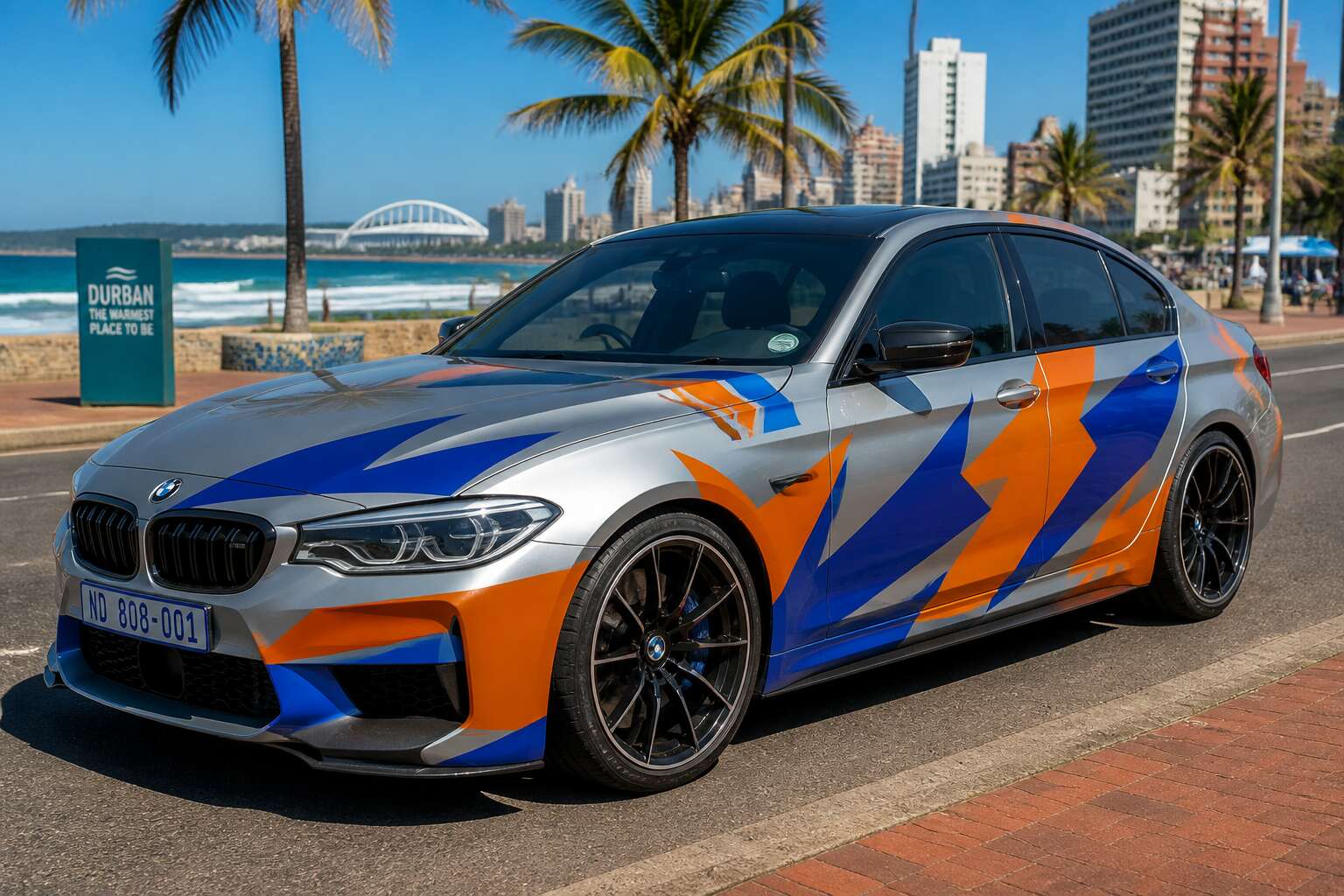
Benefits of Car Wrapping for Sedans
Enhancing Aesthetic Appeal
A sedan’s factory paint is a compromise. It is durable but dull. A sedan car wrap durban transforms that reality. You choose the exact finish, from pearl to satin, without committing to a permanent respray. This is why local drivers are turning to vinyl.
The appeal goes beyond color. Wraps can hide minor imperfections. They also protect the original paint from Durban’s sun and salt air. That combination is rare in traditional painting. I find the range of vinyl finishes genuinely impressive.
Consider these popular aesthetics:
– Gloss black for a deep black
– Metallic blue that shifts in light
– Matte grey for a modern edge
These finishes change how the car reflects light. A standard sedan gains a custom presence.
Protecting the Original Paintwork
Durban’s coastal air carries salt and ultraviolet rays. They break down clear coat over time. A sedan car wrap durban creates a sacrificial layer. This layer takes the damage instead of your factory paint. That is how your sedan’s original finish stays untouched through years of coastal driving.
Vinyl preserves the original paintwork. Remove the wrap later, and the finish remains as it left the factory. That matters for resale and lease returns.
- Stone chips from highway debris.
- Bird droppings that leave permanent marks.
- Tree sap and brake dust.
I wrap every panel edge. Those edges are where rust begins. A complete wrap seals the vulnerable seams. The protection is quiet, but it works every time you drive!
Cost-Effective Customization
Cost effective customization is where a sedan car wrap durban earns its keep. A full respray demands serious money. A wrap delivers the same transformation for a fraction of that cost. The savings multiply when you factor in maintenance, because vinyl hides minor wear without constant polishing. What you get for that investment is remarkable:
– A completely new colour scheme
– Custom graphics or fleet branding
– A matte or satin texture paint cannot offer cheaply
That flexibility removes the anxiety of committing to one look. Change your mind next year? Remove the wrap. The original finish stays pristine beneath it. For Durban drivers, that combination of affordability and freedom is rare. Most cosmetic upgrades force a trade-off between budget and expression. A sedan car wrap durban eliminates that trade-off entirely!
Resale Value Considerations
Here is a question worth considering: does a wrapped sedan actually sell for more? Buyers in Durban are becoming familiar with vinyl, which cuts both ways. A well maintained sedan car wrap durban protects the original paint from the harsh coastal sun and salty air. That factory finish is what a serious buyer wants to see. When the wrap comes off, the paint underneath can look showroom fresh.
The hesitation appears when buyers suspect damage hiding beneath the vinyl. Transparency solves this. Show them the condition during the viewing.
- Keep the wrap clean and free of bubbles to avoid suspicion
- Mention the removal service upfront as an option
- Provide proof of a professional installation
A credible seller who treats the wrap as an asset, not a disguise, can recover a meaningful portion of the original cost. Consider that angle before you dismiss wrapping as a pure styling expense.
Popular Car Wrap Styles and Trends in Durban
Matte Finishes and Satin Wraps
Matte finishes have taken over Durban’s streets, with a growing number of drivers choosing a non-reflective look for their vehicles. A sedan car wrap durban in matte black or deep charcoal creates an understated presence that turns heads without shouting. The trend shows no sign of slowing, and workshops report steady demand for this textured appearance.
Satin wraps offer a subtle compromise between gloss and matte. They catch light softly, giving the sedan a smoother, almost velvety surface. Popular satin tones include muted blues and warm greys, which pair well with chrome deletes. This style suits owners who want something distinctive yet refined.
- Frozen pearl white
- Matte military green
- Satin titanium silver
These choices reflect a broader shift toward tactile finishes that feel premium to the touch. For many clients, the appeal lies in how the wrap changes under different lighting conditions. A sedan car wrap durban now means more than color; it means texture and mood.
Colour-Shift and Metallic Options
Colour-shift films deserve attention when discussing sedan car wrap durban trends. These pigments fracture light across the panel, shifting from indigo to emerald or bronze to violet as you walk past. The effect relies on precise application; any wrinkle ruins the illusion. Local installers report growing requests for this finish on German sedans, where the complex curves amplify the colour dance.
Metallic wraps remain a quieter counterpoint, using fine aluminium flakes to produce a deep, liquid sheen. Depending on the base tint, they can mimic factory paint or push into bolder territory.
– Champagne gold
– Gunmetal grey with blue flecks
– Sunburnt copper
These options reward close inspection, inviting the hand to trace the surface. For owners of a sedan car wrap durban, choosing between shift and metallic becomes a statement about how they want sunlight to treat their daily driver.
Commercial Branding for Business Sedans
In Durban’s congested lanes, a wrapped business sedan functions as a mobile billboard. Commercial branding demands legibility, not visual flair. The wrap must carry a phone number, a logo, and a message that registers in seconds. Local designers recommend high contrast backgrounds and bold typography because the average viewer sees the car for less than three seconds.
For fleet managers, consistency across vehicles matters. A standardised sedan car wrap durban campaign turns every driver into part of the same marketing push. Full wraps offer the most canvas, but partial wraps on boot lids and doors often deliver the same result at a lower cost. A well executed sedan car wrap durban project becomes a moving asset that works in traffic and at the kerb.
- Full vehicle coverage for maximum impact
- Perforated rear window vinyl that preserves visibility
- Colour blocking that anchors the brand identity
Textured Wraps and Carbon Fibre Effects
Textured wraps have secured a distinct place in Durban’s sedan scene. Carbon fibre effects remain the most requested finish, offering that motorsport aesthetic without the factory price tag. The depth of the weave pattern catches light differently at each angle, shifting the car’s character as it moves through the city’s streets.
Brushed metal and stone-chip textures also appear frequently on local sedans. These finishes add a tactile quality that flat colour cannot match. A sedan car wrap durban specialist can apply these films to specific panels, creating contrast against standard paint, or cover the entire body for a cohesive statement. Demand for forged carbon and dry carbon looks has grown noticeably among owners who want distinction without the weight or expense of genuine composite panels.
- Gloss-coated carbon fibre for a polished competition look
- Brushed aluminium for an industrial edge
- Fine leather grain textures for cabin-like sophistication
Locally Inspired Designs and Themes
Durban’s visual identity runs from the Indian Ocean to the city’s street art murals. Locally inspired wraps borrow from these surroundings. A sedan car wrap durban owner might choose a wave pattern drawn from the surf at North Beach, or a geometric design based on Zulu beadwork. These themes feel personal, not imported from overseas trends.
Some installers report growing interest in township-inspired colour blocks and bold outlines, referencing the taxi industry’s direct use of colour. Others prefer subtle nods, like a single sugarcane field silhouette along the rear panel.
- Wave motifs in aqua and turquoise
- Zulu pattern borders
- Street mural fragments
- Sugarcane and palm silhouettes
I have seen a sedan car wrap durban that celebrated the Golden Mile’s sunset with an orange to pink gradient. The key is restraint. A local theme works best when it fits Durban’s character without distracting from the car’s natural lines.
How to Choose the Right Wrap Service in Durban
Evaluating Material Quality and Brands
Most sedan car wrap durban projects fail within eighteen months, not because of sloppy installation, but because the vinyl film is cheap. I have seen too many drivers pay for a bargain wrap only to watch it fade and peel under the sun. The material choice matters more than price.
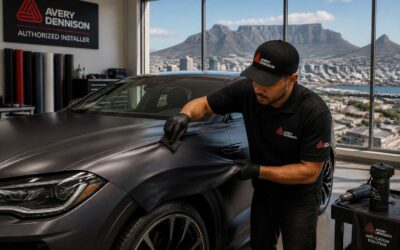
Cast vinyl outperforms calendered film in Durban’s humidity. When selecting a sedan car wrap durban service, ask directly what they use. Trusted brands such as 3M, Avery Dennison, and KPMF offer solvent-resistant layers that handle salt air. Check the warranty and request the technical data sheet. A professional shows these without hesitation.
- Look for air-release adhesive technology
- Confirm film thickness in mil for stone chip resistance
- Verify a climate-controlled application bay
The brand on the roll is your real protection against coastal deterioration. Choose a service that guarantees its materials.
Reviewing Installation Expertise and Portfolios
Choosing a sedan car wrap durban crew demands more than a glossy brochure. I have learned that the true measure of skill sits in the seams, the door handles, and the mirror bases. When you review a portfolio, ask for unedited shots of previous sedans. A quality installation shows clean lines on complex curves, no lifted edges, and no trapped air. The cleverest vinyl work disappears into the bodywork.
For your sedan car wrap durban, verify the installer handles the tricky bits. Look at how they manage the front bumper and the boot lid! Then consider this short check:
- Examine the gap around the fuel filler flap
- Look for knife cuts on the painted surface
- Check the alignment of the panel seams
A confident specialist will walk you through each vehicle, explaining their process. That conversation reveals more than any before and after photo.
Understanding Warranties and Aftercare Support
From experience, I have learned that a warranty on a sedan car wrap durban installation only holds value if the terms are explicit. Some suppliers promise five years of coverage but quietly exclude edge lifting, stone chips, and UV fading. Read the fine print before you sign! Ask what happens if the vinyl fails near a seam, and ask who pays for removal if the film damages the paint underneath.
Aftercare support carries equal weight. A responsible installer for a sedan car wrap durban hands you a maintenance schedule and tells you which washing agents are safe and which will strip the laminate. They should also offer a courtesy inspection after the first month, when minor lifting often appears. A proper aftercare protocol includes:
- Washing with a pH neutral shampoo only
- Keeping high pressure spray away from the edges
- Drying with a microfiber towel, not a squeegee
This level of accountability shows whether the installer stands behind their work long after the initial installation.
The Sedan Car Wrap Process and Maintenance
The Installation Timeline from Start to Finish
Most sedan car wrap durban projects take two to four days. That surprises people. They expect weeks. The process is methodical. First comes decontamination. Every inch gets cleaned. Then paint inspection. Surface imperfections get corrected. Application follows. Panels are wrapped individually. Edges get tucked. Final heat setting locks everything down.
After that, maintenance matters. Here is where most owners go wrong:
- Park in the shade.
- Hand wash only.
- Avoid pressure washers.
- Use a ceramic sealant every few months.
That keeps the vinyl glossy. Your wrap will last five years. Maybe longer. In Durban’s sun, that is real value. A proper installer will walk you through care. Ask at handover. Follow their advice. It is simple, but it protects your investment.
We have wrapped hundreds of sedans. The timeline never rushes. Patience is everything. Each curve needs care. Each seam needs precision. That is why you choose the right team for your sedan car wrap durban.
Preparing Your Sedan for the Wrap
Preparing a sedan for vinyl wrapping is half the battle. The paint surface must be flawless before any film touches it. A thorough decontamination removes tar, tree sap, and microscopic brake dust. Then a careful inspection reveals chips or scratches. These get filled and sanded. Ignoring them means the imperfections telegraph through the vinyl, ruining the finish.
The environment matters. A clean, dust controlled workshop is non-negotiable. Sunlight causes vinyl to stretch unevenly during installation. That is why professional teams work in shaded, temperature regulated bays. Every reputable sedan car wrap durban installer follows this discipline. For any sedan car wrap durban project, the preparation phase dictates the final result.
Once applied, maintenance starts immediately. In Durban, coastal air brings salt and humidity that attack exposed edges. Washing with a pH neutral shampoo protects the adhesive. Sealing edges with a suited product prevents lifting.
Some preparation steps include:
- Clay bar treatment for bonded contaminants
- Machine polishing to smooth the base
- Panel gap alignment checks
Do’s and Don’ts During the First Few Days
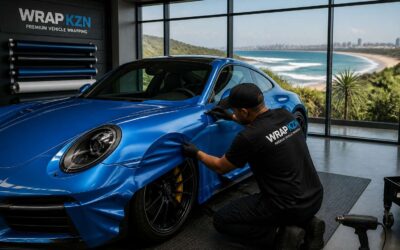
The vinyl application itself demands a steady hand and controlled heat. Installers stretch each panel from the centre outward to expel trapped air. In Durban’s coastal humidity, the adhesive bonds slower, so the sedan car wrap durban process ends with a post heat pass that secures the film around curves and edges.
For the next 72 hours, avoid unnecessary contact with the surface. Hand washing with a gentle shampoo is acceptable. Keep the car out of heavy rain, as water pressure can force moisture under the edges. Do not use a pressure washer, drive through an automatic brush wash, or park under leaking trees. A reputable sedan car wrap durban installer will tell you the same.
- Use a pH neutral soap
- Rinse with low pressure water
- Dry with a microfibre cloth
Any lifting or bubbling in this window should be reported immediately. A small repair now prevents a bigger issue later.
Cleaning and Protecting Your Wrapped Sedan
Once the installer finishes the final heat pass, the sedan car wrap durban process shifts to curing. The adhesive takes up to two weeks to fully bond, which is why automatic washes and direct pressure are not recommended in that window. Edges and seams require a weekly visual check, especially around door handles and mirrors. Lifting there can be fixed with a heat gun and roller, and it is satisfying to do it yourself.
For ongoing protection, a pH neutral shampoo and microfibre cloth are enough. Household detergents dull the laminate, so keep them away! After a coastal drive, a low pressure rinse clears salt, a straight line wash prevents swirl marks, and blotting dry keeps the finish even. This routine preserves colour and prevents staining, which helps when you resell the sedan.
When to Seek Professional Repairs
A wrapped sedan reveals the quality of its installation only over time. Every sedan car wrap durban installation follows a precise sequence. Panels are positioned with controlled tension, squeegeed from the centre outward, and heated to shrink around contours. Each section is trimmed and folded at edges where seams naturally hide. That precision defines how the film clings to the body after months of sun and rain.
Most wear shows as lifting edges or surface scratches. Some issues are manageable at home, but certain failures require a specialist. These signs point to professional repair:
- Lifting edges that return within days of being pressed
- Deep scratches that expose the underlying paint
- Bubbles that persist after a week of warm weather
- Discoloured or cloudy sections on the laminate
A specialist can remove contaminated panels, reapply entire sections, or rewrap a full door. DIY attempts often stretch the vinyl further and worsen the damage. When the film structure is compromised, a sedan car wrap durban professional is the safest option.
Remove and Re-Wrap Considerations
A sedan car wrap durban installation is a tactile process. Each panel is aligned with controlled tension, then squeegeed from the centre outward. Heat shrinks the film around contours, and edges are trimmed and folded into natural seam lines. The finish should feel seamless to the touch. A ridge or uneven edge means the installer rushed the job.
Removal demands equal discipline. Vinyl ages, and adhesive bonds strengthen over time. Heat softens the film, allowing a careful hand to peel it without lifting paint. After removal, the surface needs light polishing to clear residue.
Re-wrapping starts with a fresh inspection:
- Check for stone chips and rust spots
- Confirm the clear coat is intact
- Decide whether factory paint needs correction
A sedan car wrap durban specialist will assess the body before applying new film. Skipping that step often locks moisture under the wrap.
Cost Considerations and ROI for Sedan Wraps
Breaking Down Price Ranges in Durban
The price of a sedan car wrap durban often hinges on more than surface area. Labour rates, film choice, and paintwork condition shift the final figure. Durban’s coastal climate also matters, as installers factor in humidity and salt air during prep.
Typical costs fall into these brackets:
- Entry level standard cast vinyl: from R8,000.
- Mid range metallic or satin finishes: R12,000 to R18,000.
- Premium colour-shift or bespoke designs: over R25,000.
The real ROI here is not merely visual. Durban’s sun takes a toll that a wrap mitigates, saving you from expensive paint correction down the line. For rideshare operators or business owners, it acts as a mobile billboard, making the cost a tax-deductible marketing expense rather than a vanity purchase.
Comparing Wrap Costs to Traditional Repainting
Repainting a sedan in Durban can set you back R15,000 for a basic job, and that figure climbs sharply for metallic finishes. A sedan car wrap Durban drivers choose often costs less, especially when you factor in the longevity of quality vinyl. Traditional paint chips in coastal salt air. A wrap holds its finish.
The ROI comes from protecting the original paint. When the wrap is removed, the factory paint remains pristine. That matters for resale. Compare that to a respray, which depreciates instantly because future buyers cannot verify the paintwork’s history. Consider what you save:
- No sanding or filler costs
- No downtime for multi-day paint curing
- No loss of factory finish
Wraps also let you reverse the change. That flexibility has real monetary value.
Insurance Implications and Claim Scenarios
Insurance rarely enters the conversation when you price a sedan car wrap durban, but it should. A vinyl wrap counts as a vehicle modification in most South African policies. Failing to declare it can void your cover, and the ROI calculation shifts when a R10,000 wrap needs protection of its own.
Ask your broker these questions:
- Does my policy cover vinyl wrap replacement after an accident?
- Is the wrap valued under a declared or agreed value clause?
- What proof of installation does the insurer require?
If a claim arises, the insurer may only pay for the damaged panel’s reapplication, leaving the rest of the wrap unmatched. That gap matters. Photographs, the installer’s invoice, and the vinyl warranty all strengthen your claim. Declaring the wrap properly raises the premium slightly, but the payout reflects the true cost of restoration.
Long-Term Value for Fleet Owners
For fleet owners, the cost of a sedan car wrap durban is measured against the vehicle’s operational life. A quality vinyl wrap lasts five to seven years, while a respray often needs attention sooner. That durability reduces the frequency of replacement, which matters when you manage dozens of sedans.
The long term value of a sedan car wrap durban appears in maintenance savings. Wrapped panels resist minor scratches and UV damage, so you spend less on detailing and paint correction. When a vehicle leaves the fleet, the original paint remains intact, supporting a stronger resale price. The ROI also includes branding consistency, because a uniform fleet builds recognition without extra advertising costs.
- Lower cleaning expenses due to stain resistant surfaces
- No recurring waxing or polishing requirements
- Simplified panel repairs with matching vinyl
Local Regulations and Durban-Specific Considerations
Legal Restrictions on Colour Changes and Vinyl Use
In Durban, changing your sedan’s colour through a wrap carries legal obligations. The National Road Traffic Act requires you to update the colour field on your vehicle’s registration certificate. The eThekwini Municipality’s traffic department enforces this rule, and a police officer can fine you if your documents do not match the vehicle’s appearance. I’ve seen it happen to an unwary driver.
Certain vinyl finishes are restricted. Reflective wraps that impair visibility, or colours mimicking emergency services, are prohibited on private sedans. Glossy neon shades may also attract scrutiny during roadworthy inspections.
- Visit the nearest licensing office with your ID and proof of address.
- Submit form ALV to record the new colour.
- Pay the prescribed fee, then receive an updated certificate.
For a sedan car wrap durban, this process is mandatory! Professional installers often remind clients to complete the paperwork before the wrap is applied, saving you from later complications.
Weather and Coastal Environmental Factors
Durban’s subtropical coastline brings two enemies for vinyl wraps: ultraviolet radiation and salt-laden sea breezes. The UV index here typically sits above 10 in summer, fading cheaper films within months. Salt deposits settle on surfaces, acting like fine abrasive particles during car washes. A quality sedan car wrap durban uses cast vinyl with a protective laminate, resisting this assault better than calendered alternatives.
Consider the seasonal humidity. The air holds over 80% moisture during the rainy season, which affects adhesive curing. Sedan car wrap durban installers must allow time for the wrap to bond fully before the vehicle faces the elements.
- Choose a wrap with UV-resistant top coat.
- Opt for a hydrophobic laminate to shed saltwater.
Parking in direct sunlight near the beach accelerates micro-cracking. Even the best wrap cannot defy physics, so coastal drivers refresh their wrap every two to three years instead of the inland average of five.
Finding Certified Installers in the Durban Area
For Durban, eThekwini by-laws do not restrict vinyl wraps themselves. The colour change must still be reflected on your vehicle’s registration records. I have seen owners overlook this step, and a sedan car wrap durban becomes a problem at licensing renewals rather than a source of pride.
Certified installers in the Durban area hold training credentials from the wrap film brands, not from the municipality. Those certifications confirm they understand adhesive behaviour in coastal humidity. That qualification carries more weight than a workshop’s general promises.


0 Comments