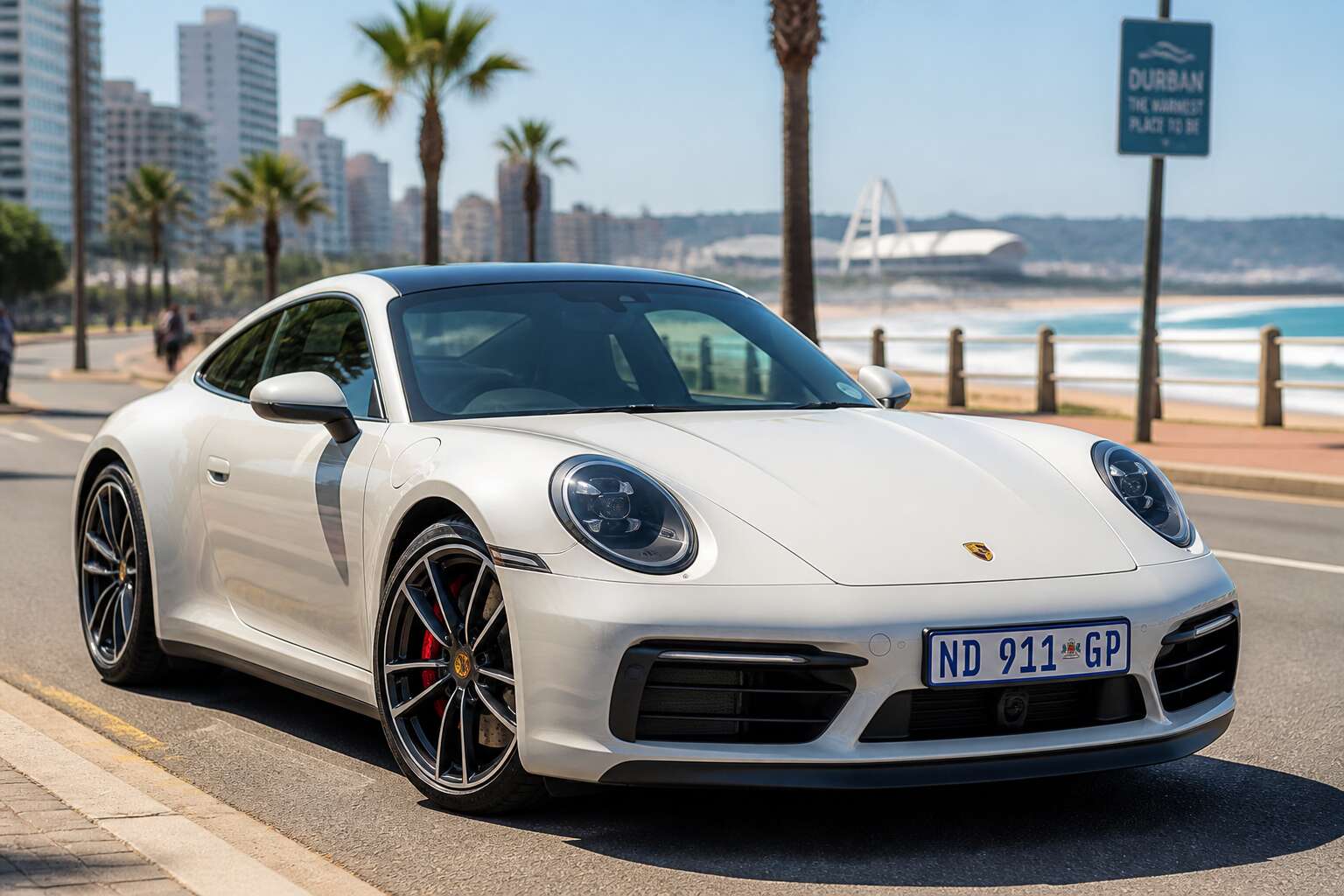
The Allure of Pearlescent Vehicle Finishes
Defining the Pearlescent Effect in Automotive Wraps
Pearlescent finishes create a visual depth that solid paints cannot match. The effect comes from microscopic ceramic beads embedded in the wrap film. These beads refract incoming light, splitting it into separate wavelengths that recombine as a soft, opalescent glow. This is the defining mechanism of the pearlescent effect.
For a pearl white car wrap durban, the bodywork shifts from glacier white to a gentle champagne tone as you change your viewing angle. The colour responds to cloud cover, streetlights, and even the time of day.
- Light bends through multiple layers, not off a single plane
- Colour saturation varies with the sun’s position
- The finish feels smooth, almost silky to the touch
This allure explains why many drivers choose this wrap. It transforms an ordinary sedan into a vehicle with a dynamic, ever-changing appearance.
Why Pearl White Stands Out from Standard White
“White is safe, but safe is boring,” a Durban car enthusiast once told me. That sentiment explains why a pearl white car wrap durban is gaining traction. Standard white reflects light in a single, predictable plane. Pearlescent white delivers a soft, opalescent shimmer that changes with the sky. The appeal goes beyond looks. Consider the practical advantages:
- Standard white shows every dust particle and swirl mark. Pearl white masks them.
- Standard white looks utilitarian. Pearl white looks deliberate.
- Standard white is everywhere. Pearl white stands out.
The result is a finish that gives you the resale value of white and the visual drama of a custom finish.
Local Factors Shaping Wrap Choices in Durban
Coastal Climate and Its Impact on Vinyl Longevity
Durban’s coastal atmosphere is a relentless mix of salt spray, high humidity, and intense subtropical sun. For a pearl white car wrap Durban drivers often notice that these conditions accelerate wear far faster than inland climates. The adhesive layer can degrade from moisture intrusion, leading to edge lifting and bubbling that shortens the wrap’s lifespan. Meanwhile, the sheer UV index here causes the pearl topcoat to dull over time, sometimes within eighteen months instead of the usual three years.
A smart choice involves a thick cast vinyl with a ceramic or polyurethane topcoat, which repels salt particles and resists micro-scratches from dust. Installers also pay close attention to drainage channels and door jambs, since trapped water becomes a hidden enemy. For a flawless finish that endures, consider these local factors:
– High humidity levels demand proper surface preparation and a dry, controlled installation bay.
– Regular maintenance with fresh water washes is essential to remove salt residue before it etches into the film.
Ultimately, a pearl white car wrap Durban motorists select will only perform as well as the climate prep allows. Without sacrificial layers or a garage parking routine, the wrap’s pearlescent glow can fade into a dull, chalky shadow. Understanding this coastal pressure is the real secret to keeping that luminous finish alive.
Popular Vehicle Types for Premium Wraps in the Region
The vehicles that fill Durban streets reveal the city’s wrap preferences. The bakkie dominates here. The Toyota Hilux and Ford Ranger carry status beyond their payload capacity. Many owners commission a pearl white car wrap durban to elevate a workhorse into a weekend showpiece. SUVs like the Fortuner and Prado follow closely. Their large body panels display the pearlescent depth with real drama. German sedans and hot hatches round out the demand. BMW 3 Series and Golf GTI owners typically chase a cleaner, brighter appearance than factory paint offers.
Local factors beyond our coastal weather steer these choices:
- The used-car market rewards pristine original paint, so wrapping protects resale value.
- Vehicle culture prizes individuality without sacrificing professionalism.
- Pothole damage and urban dings make frequent paint correction costly, pushing owners toward a pearl white car wrap durban as a durable alternative.
Cost Trends for High-End Wraps in South Africa
Local factors shape wrap choices in Durban in ways few newcomers expect. The used-car market rewards pristine original paint, so owners commission a pearl white car wrap durban to shield factory finish from abrasive urban realities. Pothole damage and frequent dings make panel beating expensive; a wrap postpones that cost. Meanwhile, vehicle culture prizes individuality without sacrificing professionalism. That walk-and-tightrope explains why metallic whites outsell matte black in seaside suburbs.
Cost trends for high-end wraps in South Africa respond to different pressures. Imported vinyl film carries freight duties anda volatile rand, pushing premium materials beyond R20,000 for full SUV coverage. Durban installers charge fewer labour than Cape Town counterparts, yet meticulous edge-wrapping adds hours. Here is what ultimately sets pricing:
- Film grade and brand, such as 3M or Avery Dennison
- Vehicle body panels complexity, from bakkie hardtops to smooth sedan
- Surface preparation demands, including existing paint correction
- Installer reputation for seam-free stretches
Resale Value and Aesthetic Appeal in the Durban Market
Resale value in Durban tells a simple story: original paint moves cars. A pearl white car wrap durban protects that paint from daily commuting hazards, so when the owner sells, the car presents far better than its age suggests. Buyers notice, and they pay more.
Aesthetic appeal runs just as deep. Pearl white catches light in a soft, even way that feels composed, an understated glamour that suits the Durban professional. It looks sharp without demanding attention.
What pushes owners toward this choice? Practical considerations drive the decision:
- Preserving the factory finish for resale
- Achieving a clean, modern appearance
- Avoiding the cost of a full respray
Each factor reinforces the others, making the wrap a sound investment for the local market.
Selecting the Ideal Pearl White Vinyl Material
Trusted Brands Offering Pearlescent Film Options
Selecting a pearlescent film is a technical decision. The pearl white car wrap durban scene demands cast vinyl, which handles tight body lines better than calendered alternatives. Adhesive tack and optical clarity in direct light determine the final effect.
Brands like 3M, Avery Dennison, and KPMF lead the market. They offer distinct finishes, from subtle shimmer to bold pearl.
- 3M: excellent conformability and long outdoor lifespan
- Avery Dennison: consistent gloss and easy repositioning
- KPMF: affordable brilliance with a smooth surface
The material’s color shift can vary under Durban’s UV index. Backing paper release properties often decide installation success. Poor release ruins an otherwise perfect wrap.
Comparing Gloss, Satin, and Matte Pearl Textures
The gloss, satin, and matte spectrum defines more than a visual preference. A gloss pearl finish delivers the sharpest spectral shift under Durban’s direct sun, yet it exposes every swirl mark and adhesive imperfection beneath the film. Satin texture gives you a muted glow that holds the white pigment’s warmth without the mirror-like reflection. Matte pearl removes the reflective quality almost entirely, leaving a flat, chalky white sheen that reads as understated from any angle.
Installation behaviour also differs across these finishes. Gloss films tolerate stretching around tight corners, while matte films show pressure marks more readily. Satin sits comfortably in the middle. If you are still deciding between textures, weigh the vehicle’s panel contours against how much visual noise you want the pearl white car wrap durban to carry.
Thickness and Adhesive Quality Considerations
The ideal pearl white car wrap durban film begins with a measured balance between thickness and plasticity. A 3 mil cast vinyl conforms to the vehicle’s body lines better than a thicker calendared sheet, but the adhesive layer determines retention on complex panels.
- Low-tack adhesive for temporary positioning
- High-tack adhesive for aggressive curves
- Air-release channels to eliminate trapped pockets
Thinner films mask imperfections less, yet they stretch cleanly. Thicker films resist stone chips but lift at edges when applied over the humid Durban air. Choose the adhesive chemistry that matches your paint condition and your expectation of removal years later.
UV Protection and Fade Resistance for Sunny Climates
When Durban’s midday sun beats down on the asphalt, the difference between a premium film and a budget option becomes painfully obvious. The UV index in KwaZulu-Natal routinely climbs above 11 during summer, which is extreme by any global standard. This intensity means the pigment package in your pearl white car wrap durban must be loaded with high grade stabilisers from the start. Cheaper films use surface dyes that shift hue within eighteen months. Quality manufacturers embed ceramic particles into the vinyl, creating a barrier that reflects infrared radiation instead of absorbing it.
The laminate layer matters just as much as the vinyl itself. A cast film with a thick, UV resistant clear coat preserves that liquid pearl depth we chase. Without proper inhibitors, the pearlescent mica flakes become chalky and dull. The adhesive also plays a role here. When the bonding agent degrades from heat, micro bubbles form under the film, magnifying sun damage.
– Premium films carry a 5 to 7 year fading warranty specifically for tropical zones.
– Mid range options lose their gloss contrast faster in coastal light.
The backing liner on quality rolls is designed for clean release in humid heat. Ask your installer about the manufacturer’s proven track record in African coastal cities. The right material keeps that pearl glow intact while the Durban salt air tests everything else.
Maintenance Requirements for Keeping the Pearl Shine
There is a quiet terror in watching a pearl white car wrap durban begin to yellow. The film’s construction decides if that fate arrives. Only cast vinyl with a urethane rich composition keeps the mica flakes suspended in their original position. Calendered films shift under heat and lose that cold, liquid depth!
Maintenance requirements mirror this rigor. The surface demands a specific ritual.
- Alkaline free cleaners, nothing with citrus or ammonia
- A lambskin mitt, never a brush
- Drying with a dedicated microfiber cloth in straight strokes
Salt from the Indian Ocean settles into every seam after a coastal drive. Immediate rinsing with plain water prevents that abrasive lingering. This is the price of a pearl that still reflects the overcast sky without dulling.
The Step-by-Step Wrapping Process Explained
Surface Preparation and Paint Correction Essentials
Here’s a truth from the shop floor: a pearlescent film will never forgive a dirty panel. In Durban, where humidity conspires with dust, surface preparation is the difference between a flawless pearl white car wrap durban and a bubbly disaster. We start with a decontamination wash, then clay bar treatment, then alcohol wipe.
Paint correction follows. Swirl marks, stone chips, oxidation; every flaw telegraphs through the film. We machine polish to a mirror finish, often checking with a paint depth gauge.
- Clean and degrease
- Clay bar to remove embedded grit
- Machine polish for perfect substrate
- Final IPA wipe before installation
Only then does the film touch the car. Each panel gets a dedicated squeegee pass, with heat guns softening edges. The process takes two to three days, but the result is seamless.
Professional Installation vs. DIY Kits: Pros and Cons
Each pearl white car wrap Durban install follows a strict sequence. After the panels are prepped, the film is plotted, never cut by hand. The applicator uses a slip solution to float the vinyl into place. Then the squeegee work begins, moving from the center outward. Heat guns shape the film around mirrors and bumpers.
This is where expertise matters. A professional installer will charge more, but they bring a dust controlled booth and a warranty. A DIY kit puts the burden on you. You need a clean garage, a heat gun, and a steady hand. One wrong pull and the film stretches, leaving a silver streak under the pearl. For a pearl white car wrap Durban, the difference between a pro and a weekend attempt is visible in the reflections. The choice comes down to risk versus reward.
Post-Wrap Care and Cleaning Guidelines
Watch a pearl white car wrap Durban installation unfold, and you will notice the film’s release liner peeling away like a second skin. Panels are cleaned, then the vinyl is plotted to exact template lines. A slip solution lets the material float before the squeegee pushes air toward the edges. Heat guns soften every crease around mirrors and door handles. This sequence takes time, often a full day, because patience is the true adhesive.
Once the pearl white car wrap Durban finish is set, the care begins. Wait 48 hours before washing. Use a pH neutral soap and a microfiber mitt. Always rinse with cold water to prevent dirt from embedding.
Here is a simple care rhythm:
- Hand wash every two weeks
- Dry with a soft silicone blade
- Apply a spray sealant monthly
Avoid pressure washers near the edges. The wrap will reward gentle handling with years of pearl depth.
Choosing a Skilled Wrap Installer in the City
Credentials and Certifications to Look For
The installer’s credentials are the sole safeguard against a botched film job. A pearl white car wrap durban demands precision that amateurs cannot manufacture. Certifications from 3M, Avery Dennison, or XPEL signal a technician who has submitted to rigorous testing, not a weekend hobbyist with a heat gun.
Seek out these specific accreditations:
- Factory training certificates directly from film manufacturers
- Photographic proof of completed pearlescent installs
- Membership in bodies like the Professional Decal Application Alliance
Inspect the workshop for climate controlled bays and laser measuring tools. A certified installer will openly discuss substrate imperfections and adhesive failure modes without hesitation. Without these credentials, you risk a volatile investment. The coastal humidity in Durban magnifies every error, and the film will reveal the truth within months. Locating a legitimate pearl white car wrap durban specialist demands patience, but their portfolio and certifications will separate the meticulous craftsman from the opportunist.
Questions to Ask During a Consultation
Booking a consultation is the moment you separate marketing fluff from real capability. The owner should walk you through their process before you even mention pricing. You want to hear how they handle body lines, door handles, and the tricky bumper curves where the pearl film tends to lift. A reputable specialist for a pearl white car wrap durban will talk about edge sealing and post-heat techniques without you prompting them.
Bring your own questions. You are commissioning a precision job, not buying a used car. Ask about their warranty terms on the film and the labour. Ask for a breakdown of the timeline, including how long the car sits in the workshop. Also, ask about their contingency plan for Durban’s humidity spikes. If they hesitate on any of these, that is your answer.
– See if they ask about your parking situation.
– See if they offer a written quote with defined film batch numbers.
– Ask about their handling of rear bumper sensors and camera housings.
The consultation should feel like a peer review, not a sales pitch. An installer who is confident in their work will welcome your scrutiny. Trust the one who admits the limitations of a pearl white car wrap durban in the coastal sun, then explains how they plan to mitigate it. The conversation should be practical, clear, and grounded in the work itself.
Reviewing Portfolios and Customer Testimonials
Portfolios tell a story if you read them closely. I study how the pearl flip responds on curved panels, where many installers cut corners. A strong portfolio shows rear spoilers and door shuts, not just glamour shots!
Customer testimonials need scrutiny too. I look for mentions of the pearl white car wrap durban after months of driving, not just the day of delivery.
- Check dates on reviews against installation timelines.
- Look for clients who mention humidity or salt air.
- Ask for direct contact with one or two past customers.
Testimonials about hidden edges or glue residue tell you more than praise. Skilled installers welcome that level of inspection.
Warranty and Aftercare Support Options
The city’s humidity tests a vehicle wrap differently than inland regions. When you choose an installer for your pearl white car wrap Durban, look for a workshop that controls dust and temperature. A skilled fitter will also inspect the paint for rust before laying film.
Warranty terms vary between brands. The warranty should cover lifting edges, fading, or adhesive failure. Aftercare support matters equally. A 48 hour checkup is common among reputable shops to re-press edges after initial shrinkage. Some installers provide annual inspections.
The claim process handler matters when a claim arises.

0 Comments