Why 4×4 Owners in South Africa Choose Vinyl Wraps
Protection Against Harsh UV and Bush Terrain
South Africa’s sun doesn’t compromise, and neither does the bush. A 4×4 vinyl wrap south africa owners trust acts as a sacrificial layer, absorbing UV radiation and deflecting thorn scratches that would otherwise etch into factory paint. The Karoo’s sharp branches and the Lowveld’s abrasive dust are relentless. Vinyl takes the punishment, preserving resale value underneath.
Consider what a wrap endures on a typical trail:
– Constant UV exposure at high altitude
– Sand and
Customising Your 4×4 Without Permanent Paint Work
South African 4×4 owners are a particular bunch. They want their vehicles to reflect their personality, but they also want freedom to change their minds. A 4×4 vinyl wrap south africa enthusiasts trust delivers exactly that: full customisation without permanent paint work.
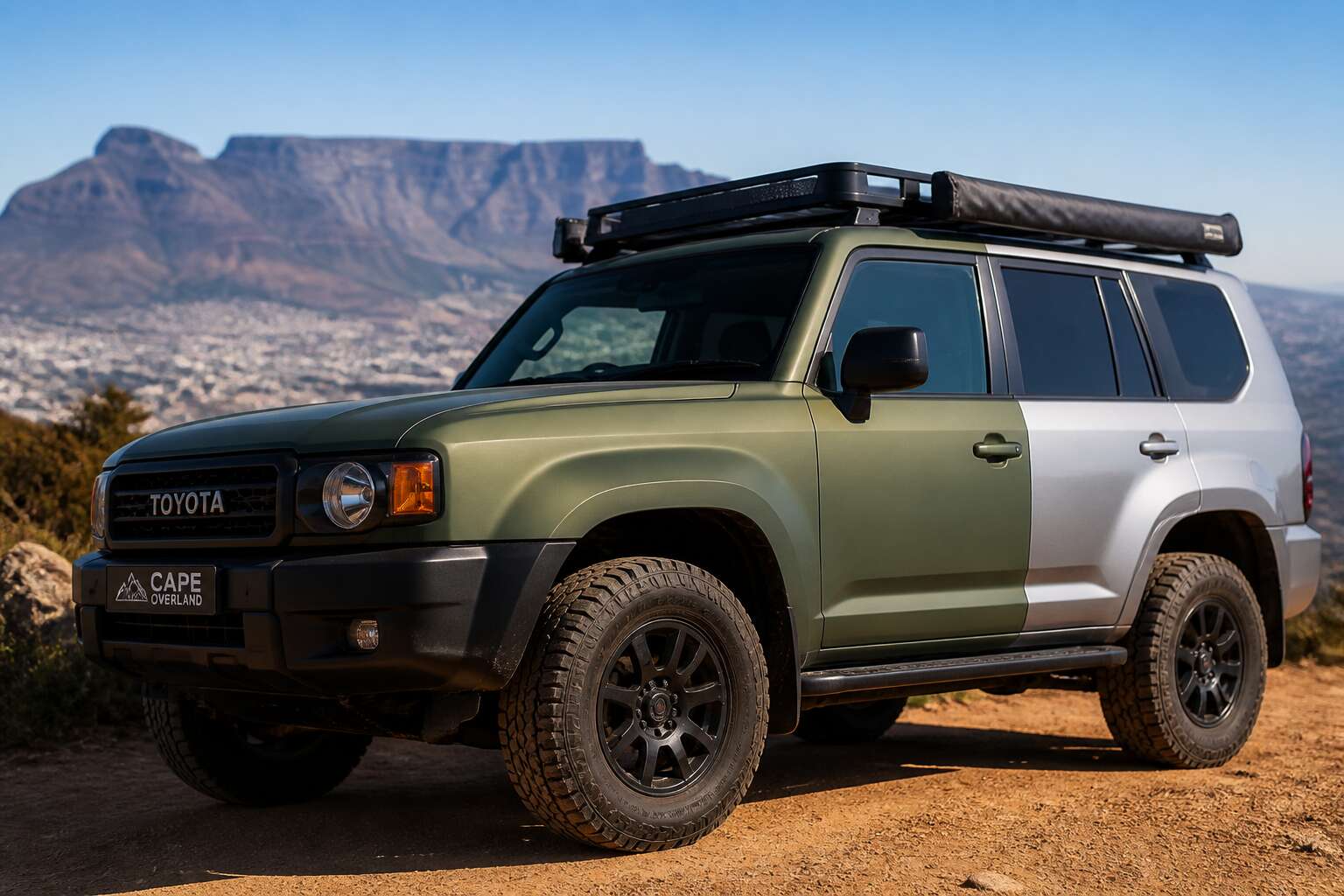
Fancy a matt military green for the Richtersveld trip? Sorted! Over it by July? Peel it off and revert to the factory colour without a single apology to a panel beater. Vinyl offers a level of reversibility that paint cannot match, and that matters when your taste evolves faster than your vehicle budget.
The financial logic holds too. Original paint remains untouched underneath, which matters at trade-in time. A 4×4 vinyl wrap south africa installer represents the practical answer to both a custom desire and a sensible exit strategy.
Resale Value Considerations
There is a quiet arithmetic to ownership that often outweighs the thrill of a new colour. A 4×4 vinyl wrap south africa has become the strategic choice for those who see their vehicle as an asset, not just an adventure partner. The original paint remains in pristine condition beneath a layer of robust film, shielding it from trail scratches and stone chips. When the time arrives to hand over the keys, that untouched factory finish stands as a powerful negotiating point.
Consider the practical benefits that compound over time:
– No permanent alteration to the vehicle’s structural or cosmetic panels
– The ability to return the exterior to showroom condition quickly
– A polishable surface beneath that has never seen a harsh brush at a car wash
This strategic preservation appeals to the discerning buyer. At trade-in, a vehicle with a 4×4 vinyl wrap south africa tells a story of care and foresight. The next owner sees a canvas, not a compromise. You retain the pleasure of a unique look today while ensuring the vehicle does not depreciate faster than it should. It is a form of custodianship that serves both the present drive and the future sale.
South African Aesthetics and Overlanding Trends
Over 90% of South Africa’s overlanding routes cut through landscapes that demand more than a standard factory finish. The country’s vastness, from the Tankwa Karoo’s pale dust to the dense canopy of the Magoebaskloof, shapes a specific visual language for its rigs. A 4×4 vinyl wrap south africa has become the medium through which owners express their relationship with this terrain. The choice of colour often mirrors the environment: earthy browns for the Kalahari, deep greens for the escarpment, or a stark, wraithlike grey for urban expeditions into the wilderness.
The culture of exploration here prizes adaptability. An overlander’s needs change with the season, and the vehicle’s exterior should reflect that fluidity. A wrap offers the flexibility to shift from a stealthy matte finish for wild camping to a high-visibility pattern for convoy safety, without the permanence of a respray. This trend is driven by a practical desire for change, a way to keep a trusted vehicle feeling new against the backdrop of an ever-changing landscape.
– Camouflage and tactical patterns inspired by local defence force heritage.
– Graphic designs that map out favourite routes or coordinate with club branding.
– A shift towards satin finishes that reduce glare during long daylight drives.
This is not about vanity; it is about identity. The bakkie becomes a signature, a rolling declaration of where it has been and where it is headed. For many, the wrap is a rite of passage, marking the transition from a mere vehicle to a seasoned traveller. It signals to fellow explorers at a remote filling station that the driver understands the demands of the road, creating an instant, unspoken kinship under the vast African sky.
Types of Vinyl Wrap Films Suited for 4x4s
Cast vs. Calendered Films
The film is the foundation of any durable wrap, and choosing the wrong type can mean a costly redo in a few short months. This is especially true when your vehicle lives on a diet of corrugated dust roads and high-UV Karoo sun. The material science behind your 4×4 vinyl wrap south africa determines whether the colour stays vibrant or begins to fail around the edges.
Calendered films are the more economical option, produced by extruding PVC and pressing it through rollers. This process creates a thicker, less conformable material that tends to shrink back to its original shape over time. For a flat panel or a sign, it works perfectly. But for a complex 4×4 with aggressive body lines, rivets, and deep grooves, calendered vinyl can lift and silver around those high-risk areas. They are serviceable, but they are not the standard for premium results.
Cast films are the industry standard for serious applications.
– They are manufactured by casting a liquid polymer onto a liner and curing it, creating a thinner, more dimensionally stable film.
– They conform to complex curves without memory shrink, which is critical for deep bull bars and fender flares.
– Their construction allows for a longer lifespan, often outlasting the abuse of off-road travel.
When you are wrapping a vehicle that will be scraped by acacia branches and blasted by gravel on the Namibian border, the longevity of a cast film is the difference between a clean peel and a nightmare of adhesive residue. The initial cost is higher, but the performance in our climate is unmatched. For those using a 4×4 vinyl wrap south africa, the choice between cast and calendered is not about vanity, it is about structural integrity. I have seen wraps fail spectacularly when owners chose the cheaper route, the film cracking at the leading edge of the bonnet within six months. The right material is an investment in the vehicle’s protection, not just its appearance.
Matte, Gloss, Satin and Textured Finishes
The finish of the wrap is the most personal choice in the entire process. A matte film pushes the harsh Highveld glare aside, giving the body a quiet, purposeful appearance that suits a vehicle meant for work. Gloss is the opposite temperament: it deepens the colour and throws light in a way that announces the 4×4 upfront, but every drop of water and trail of dust is visible on the surface, so the washing rhythm becomes part of ownership. Satin is the middle ground a calm, honest sheen that holds a premium look without mirror-like maintenance. Textured films also exist in this segment, with carbon and woven finishes that give the hand a sculpted surface. They hide the small abrasions that build up through weekends of roughing it, and they work well on pillars, load bay walls and the edges of the canopy.
The appearance setting of a 4×4 vinyl wrap south africa is half of the transaction, the other half is that the film geometry reflects the intention of the owner.
Camouflage and Military-Style Wraps
Take a bakkie onto a koppie and the camouflage wrap changes what the eye accepts. The body breaks into soft, unequal shapes; the harsh dash of a highveld sun no longer splits the panel white. The farmers, the land managers and the anti poaching units trust this pattern because it makes the 4×4 seem irrelevant to the distance. A 4×4 vinyl wrap south africa in this style carries the same matte surface as a work film, but the pattern does the heavy work. It scratches the view, not the shape. The resin tolerates thorn scratches and keeps the edges lifted. The user chooses the palette that suits the land:
- Foliage green with dark flecks for the coastal bush
- Dry olive and sand for the Karoo perimeter
- Grey with faded brown for game farm patrol
The final body sits quiet, and that quiet belongs to the owner.
Colour-Shift and Chrome Options
Colour-shift films change hue depending on the viewing angle and light. On a bakkie that spends weekends in the bush, the effect draws attention, which is not always ideal. Chrome films create a mirror finish that reflects the surrounding landscape. Both options demand a higher level of surface preparation, because any imperfection shows immediately.
For a 4×4 vinyl wrap south africa, the practical concerns are heat build-up and scratch visibility. Chrome reflects sunlight, which can reduce interior temperatures, but it also shows every swirl mark. Colour-shift films use metallic flakes that can dull under harsh UV if the film lacks a protective top coat.
Certain choices suit specific vehicles:
- Colour-shift in deep blue or purple for show vehicles that rarely leave tar.
- Brushed chrome for an overlanding trailer or roof rack accents.
The installation requires an experienced hand, as these films stretch differently and cannot hide panel gaps.
Protective Paint Protection Film (PPF) vs. Vinyl
There is a persistent misconception that a single product handles both aesthetics and armour. The reality in the 4×4 vinyl wrap south africa market is that protection and style are two distinct disciplines. Paint Protection Film (PPF) is a thick, elastomeric urethane designed to absorb stone chips and resist scratches. Vinyl is a decorative PVC layer. It adds colour but offers minimal impact resistance. Confusing the two leads to disappointment when a branch finds its way across your door.
The decision hinges on your primary objective. If you are chasing a colour change, a 4×4 vinyl wrap south africa offers a complete aesthetic shift for a fraction of a respray. If you are towing through the Karoo, PPF handles the gravel rash better.
1. PPF is self-healing; light scratches disappear with heat.
2. Vinyl is cheaper to replace when a panel gets damaged.
3. PPF usually comes in gloss, while vinyl offers infinite textures.
A vehicle used for daily commuting and weekend trails often benefits from a hybrid setup. High-impact zones like the front bumper, bonnet edge, and mirrors receive PPF. The rest of the body gets a vinyl wrap. This distribution allocates budget to where it physically matters. The cost difference is substantial, so prioritise based on how often your tyres leave the tar.
The Professional 4×4 Wrap Installation Process
Surface Preparation and Decontamination
The true craft of a 4×4 vinyl wrap south africa begins long before the film ever touches the metal. A vehicle returning from the bush carries more than dust. Tree sap, insect residue, and road film form a stubborn shroud that will sabotage adhesion if left untreated. The installer performs a slow, deliberate decontamination, using iron fallout removers and clay bars to strip every microscopic particle.
This phase demands patience. The steps are methodical: 1. Wash with a pH-neutral shampoo. 2. Apply chemical decon to dissolve embedded grime. 3. Clay the surface to lift bonded contaminants. 4. Degrease with a specialised solvent. Only then does the panel receive its first layer of vinyl. A rushed preparation is a silent curse, one that lifts and peels under the African sun.
Panel-by-Panel Application Techniques
A complete wrap installation consumes three to five days, and every minute matters. The bonnet is laid first, its wide surface requiring a squeegee held at exactly forty-five degrees. The film is laid dry, repositioned, and laid again, each pass eliminating air pockets that later become blisters.
Door panels demand a different rhythm. The vinyl must stretch around handles, mirrors, and sills without thinning at the edges. A heat gun softens the material, letting it settle into recesses that defeat lesser installers. This is where I see the difference between acceptable and exceptional.
- Rear quarter panels require the slowest work
- Roof sections rely on a second pair of hands
- Every edge is tucked precisely, never forced
The sequence repeats across the entire vehicle, contour by contour, until the 4×4 vinyl wrap south africa matches every curve without distortion. Only then does the vehicle leave the bay, ready for the next trail.
Handling Complex Contours and Accessories
Wrapping a 4×4 is not merely covering flat metal. The vehicle’s personality lives in its accessories: the snorkel that breathes dust, the bull bar that meets the bush first. Each demands separate attention during a professional wrap installation.
I have watched installers curse a roof rack’s mounting feet for an hour! The film must flow around each bracket, every weld seam, without tearing.
- Snorkel heads need seamless wraps to prevent water ingress.
- Bull bar cutouts require precise relief cuts.
- Spare wheel carriers test the material’s memory.
Success comes from treating each accessory as a puzzle, not an obstacle. The vinyl settles where patience guides it. That is how a 4×4 vinyl wrap south africa survives both the trail and the scrutiny of other overlanders.
Quality Checks and Edge Sealing
Quality checks happen in good light. After every panel is wrapped, installers inspect each edge with calibrated eyes. A lifted edge catches the eye long before it catches a branch. Edge sealing is not a cosmetic afterthought. The film’s adhesive loses its bond where dust and moisture gather. A proper installation presses the vinyl into every recess, then seals the exposed borders with precision. For a 4×4 vinyl wrap south africa, this step determines whether the wrap survives a season of overlanding or fails within months.
The checklist covers the spots that matter:
- Edges are tested with a plastic squeegee for lifting.
- Seam alignment receives close scrutiny at every panel gap.
- Corner tension is assessed by feel and sight.
Bubbles, foreign particles, and tiny imperfections all get addressed before the vehicle leaves the workshop. The final result is a wrap that feels like part of the vehicle, not a covering that clings to it.
Pricing and Turnaround Time for 4×4 Vinyl Wraps in South Africa
Average Cost Ranges for Double Cabs and SUVs
Pricing for a 4×4 vinyl wrap south africa depends on vehicle size and film grade. Double cabs typically land between R18,000 and R35,000 for full coverage. SUVs run higher, often reaching R40,000 when the roof, door jambs, and mirror caps are included. The complexity of the installation pushes costs upward, which is why a simple colour change costs less than a multi-tone design.
Turnaround time follows the same logic. A standard double cab takes three to five working days. Larger SUVs with roof racks, snorkels, and spare wheel mounts need a full week or more. Winter bookings move faster, while peak season can stretch timelines.
Here is what shifts both price and speed:
– Number of panels removed during the job
– Surface prep needed after decontamination
– Cast film versus calendered film selection
Quotes vary by R5,000 between installers for the same vehicle, so request a written estimate before booking. A 4×4 vinyl wrap south africa remains a predictable investment when the installer sets clear expectations upfront.
Factors That Influence the Final Quote
One quote for a 4×4 vinyl wrap south africa can read R22,000, while the workshop down the road charges R27,000 for the same double cab. The difference lies in how each installer counts their labour, not the film.
- Panels removed for edge wrapping
- Paint imperfections that need correction
- The grade of cast film specified
Turnaround mirrors this pattern. A clean, garage-kept bakkie in winter is a three day job. A muddy SUV with a roof rack and snorkel easily takes a week. The same 4×4 vinyl wrap south africa job becomes quicker when panels stay in place, but hidden edges then remain exposed. Proper disassembly costs more upfront and extends the timeline, yet it protects the wrap from lifting on corrugated trails.
Comparing Local Installers and Mobile Services
Local installers with permanent workshops often quote less per square metre because their overheads spread across many jobs. A 4×4 vinyl wrap south africa in a shop-based facility takes roughly three days for a double cab, with dust-controlled bays and proper lighting. Mobile services bring the film to your driveway, which saves you travel time but adds a call-out fee. That convenience can shift the final figure by R1,500 to R3,000, depending on your location.
Turnaround follows a similar split. Workshop teams run two fitters on one bakkie and finish in two to three days. Mobile fitters work alone, frequently stretching the job to four or five days between rain interruptions and temperature swings. Here is the practical trade-off I keep coming back to:
– Workshop wraps come with warranty-backed workmanship and controlled conditions.
– Mobile wraps let you monitor progress and keep your vehicle close.
Neither path is objectively better, but the right match depends on your budget and how soon you need the 4×4 vinyl wrap south africa back on the trail.
Warranty and Aftercare Packages
Most bakkie owners focus on the initial quote, but the real cost of a 4×4 vinyl wrap south africa is measured in its longevity. A comprehensive warranty covers more than just bubbling edges. It should protect against colour fading, adhesive failure, and lifting around rivets and door handles. The best South African installers offer a five year warranty on cast films, but that coverage hinges entirely on proper care.
Aftercare is where the relationship with your wrapper truly begins. Expect a detailed maintenance schedule that goes beyond a simple wash. Reputable shops provide a cleaning kit with a specialised pH neutral soap and a microfiber drying towel, valued at around R500. They will also schedule a complimentary inspection at the three month mark to check the film’s adhesion.
– Avoid high pressure jets near the film edges.
– Park out of direct sunlight for the first week after application.
– Use only the recommended cleaning agents to preserve the surface.
– Report any lifting immediately to prevent dirt ingress.
A warranty is essentially a contract of trust. It protects you if the installer made an error, but it does not cover rock chips or tree sap damage. Read the fine print for exclusions like bird droppings left unattended or harsh chemical cleaners. A detailed aftercare package demonstrates a shop’s confidence in its work, which is the most reliable indicator of quality for your 4×4 vinyl wrap south africa.
How Long Does a 4×4 Wrap Take?
The gap between an R18,000 quote and an R38,000 quote for the same Hilux is measured in hours, not materials.
A standard double cab takes three to five working days. A full 4×4 vinyl wrap south africa with roof rails, fender flares, and a canopy takes five to seven days. That extra time covers decontamination, panel alignment, and post-installation curing.
Some shops rush a wrap in two days. Those wraps lift at the edges within months. Quality installers book your bakkie for the full slot, and their pricing reflects those hours.
Typical turnaround stages:
– Day one: surface prep and panel removal
– Days two to four: film application
– Day five: edge sealing and final QC
Ask how many days your specific model needs before comparing quotes. A 4×4 vinyl wrap south africa price that looks too good usually arrives with a two day turnaround. That combination should raise alarm bells, not excitement.
Financing and Payment Options
Financing a 4×4 vinyl wrap south africa installation determines which quote wins the bid, because few bakkie owners pay the full sum from one savings pot. Most reputable shops offer staggered payment structures, which breaks the invoice into a deposit, a mid-installment, and a release payment. This arrangement suits overlanders who prefer to keep cash reserves for the next route.
Some installers partner with third-party credit providers, enabling interest-bearing terms over three to six months. Consider these common payment methods:
- EFT or instant bank transfer
- Credit card or debit card instalments
- Lay-by style deposits for custom film orders
The cheapest quote may demand 50% upfront with peculiar cancellation terms. Read that fine print before committing. A local installer who offers flexible financing demonstrates confidence in their workmanship, because they expect you to return for future projects. That reassurance matters more than shaving a few rand off the monthly instalment.
Maintaining and Removing Your 4×4 Vinyl Wrap
Cleaning Products That Are Safe in South African Conditions
The South African sun, dust and tree sap all conspire against your 4×4 vinyl wrap south africa. The trick is to wash with a mild car shampoo and a microfiber cloth. Avoid solvent based cleaners, they soften the vinyl and cause the colour to bleed.
Removal is less fuss than you might think. A heat gun set to low, or even a hairdryer, works to lift the adhesive without damaging the paintwork. Once peeled, use a gentle adhesive remover for any residue. For daily upkeep, stick to these:
- Warm water and pH neutral soap
- Isopropyl alcohol diluted 10 to 1
- Plastic razor blades for stubborn bits
Garaging vs. Outdoor Parking in High UV Areas
Parking your rig in a garage is the single most effective way to extend the life of your 4×4 vinyl wrap south africa. A controlled environment shields the film from the relentless Highveld sun, which accelerates oxidation and fades the pigment over time. If you lack a garage, invest in a high quality car cover. That simple barrier prevents the vinyl from baking during peak daylight hours.
Outdoor parking in regions like the Karoo or Limpopo introduces a different set of variables. The thermal cycling, where the panel heats and cools rapidly, causes the adhesive to fatigue. You will notice edge lifting more quickly on a vehicle that lives outside. The consequences of neglect are specific:
– Prolonged UV exposure fades matte finishes into a patchy gloss.
– Bird droppings and tree sap etch into the vinyl surface if left for days.
– Dust storms act as sandpaper, dulling the clear coat layer.
Inspect the wrap monthly. Check the edges around the wheel arches and door handles for signs of lifting. If you catch a bubble or a peel early, you can reseal it with a heat gun. Delaying that repair allows moisture to creep under the film, which leads to adhesive failure. This meticulous attention is the difference between a wrap that lasts five years and one that fails in eighteen months. The film itself is durable, but the environment dictates its lifespan. The choice is simple: protect it with shade or pay for a premature replacement.
Repairing Damaged Wrap Panels
Scratches happen. A low branch or a kicked stone leaves its mark. When your 4×4 vinyl wrap south africa suffers a tear, assess the damage before reaching for tools. Clean the area with isopropyl alcohol to see the true depth.
For superficial scratches, a heat gun on low setting can coax the vinyl back into place. Deeper gouges need a patch. Here is a practical sequence:
- Cut a piece from your leftover material.
- Overlap the damaged section by at least 20 millimeters.
- Apply heat and press from the center outward.
Removing the damaged panel entirely is sometimes the better option. Peel slowly at a 45 degree angle to avoid stretching the surrounding film. Adhesive residue reveals itself, but a citrus based cleaner dissolves it without harming the paint. That repair effort extends the life of your wrap significantly.
Professional Removal and Paint Condition After Stripping
Most vehicle wraps outlive their initial excitement, but only if you treat them with deliberate care. The lifespan of your 4×4 vinyl wrap south africa hinges on routine inspection, not just the quality of the original install. Check the edges around the wheel arches and roof rails every few weeks. Those areas bear the brunt of gravel roads and harsh cleaning chemicals. A lifting edge invites moisture and dirt, which accelerates adhesive failure. If you catch a curl early, press it down with a heat gun set to low. Ignore it, and you will face a costly rewrap sooner than expected.
When the time comes to strip the film, resist the urge to DIY unless you have patience and a steady hand. Professional removal starts with a heat source and a specialised adhesive remover. The technician works in sections, peeling the vinyl back at a precise angle to avoid pulling paint chips from the underlying metal.
– They use a plastic scraper, never metal, to protect the clear coat.
– The adhesive is dissolved in stages, not scrubbed aggressively.
– Paint condition is assessed after each panel is exposed.
– Any residual glue is wiped down with a solvent that evaporates cleanly.
The moment of truth arrives once the last panel is off. A good wrap protects the original paint from UV rays and minor scratches, but it cannot shield against stone chips that penetrate the film. After stripping, inspect the surface for blemishes that were hidden for years. You might find that the paint underneath remains glossy, a testament to the wrap’s protective role. If you spot corrosion or deep scratches, address them before repainting or reapplying. The paint condition after stripping determines whether you can sell the vehicle at a premium or if you need to budget for bodywork. A professional removal preserves that underlying finish, leaving you with a clean slate, whether you choose to rewrap or drive bare. That final reveal is the true measure of your investment in 4×4 vinyl wrap south africa, as it shows how well the film guarded the metal beneath.
Extending the Lifespan of Your Wrap
The lifespan of your 4×4 vinyl wrap south africa is not set at installation. It bends with every dry winter and humid coastal summer. I have seen wraps fail not from impact but from neglect around door seams and mirror bases.
To extend that lifespan, adopt a monthly routine that takes ten minutes.
- Inspect the seams around the canopy for micro lifting.
- Look for dull patches that signal adhesive breakdown.
- Wipe bird droppings off within a day to prevent staining.
When removal comes, choose a cloudy morning. The film lifts easier when the panel is cool, leaving no adhesive ghosts behind.



0 Comments