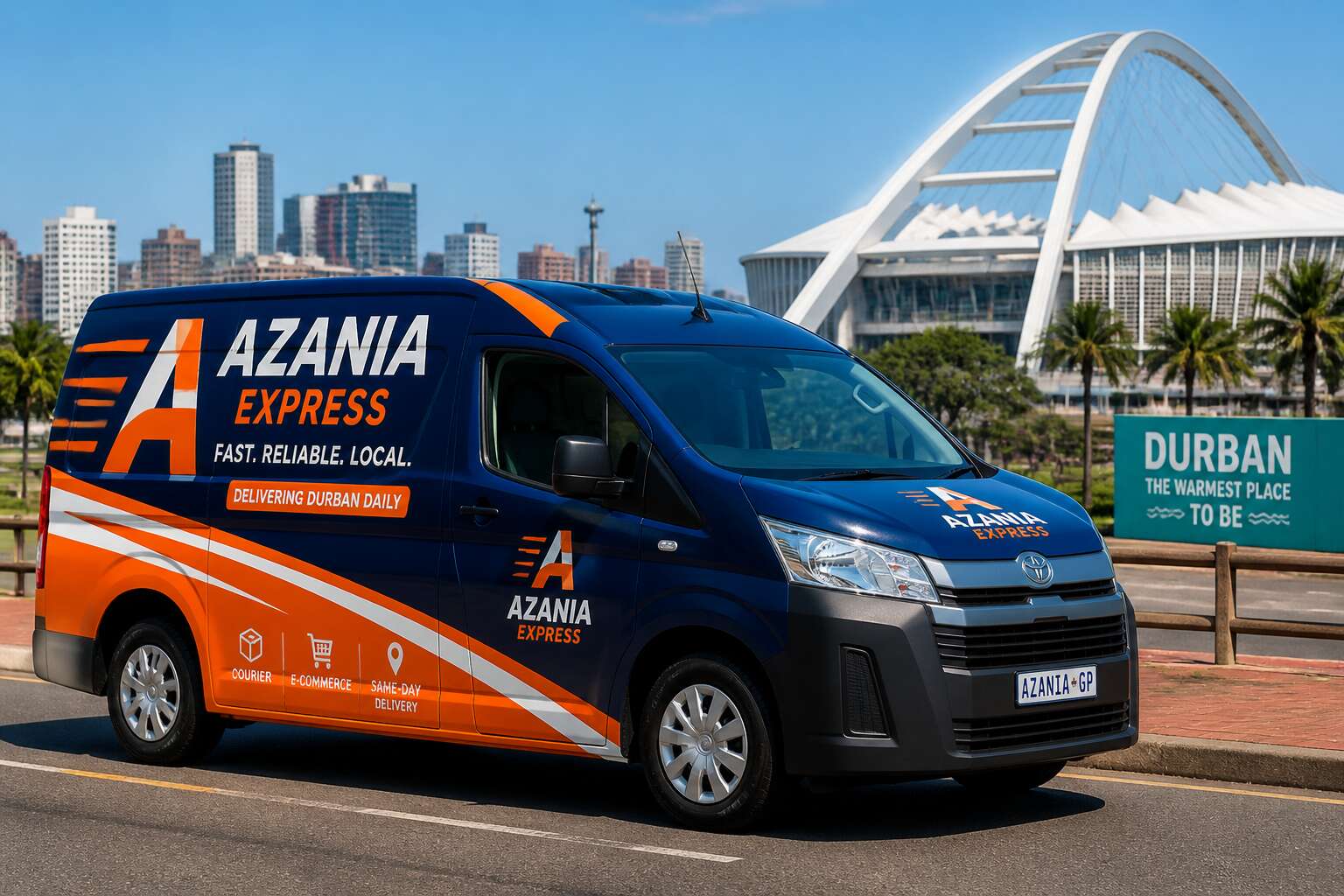
Why Full Vehicle Wraps Dominate Durban’s Advertising Landscape
Constant Mobile Impressions Along Durban’s Busiest Routes
Every working day, the N3 and the M4 carry thousands of Durban commuters. Those drivers and passengers spend long minutes staring at the vehicles in front of them. That is the space full vehicle branding durban turns into repeat exposure.
Think about a single wrapped van doing deliveries. It passes through Umhlanga Ridge, the Port of Durban, and Westville in one morning. Each intersection adds new eyes, and the same van returns along the same roads later. Static billboards wait for people to arrive; wraps travel with them.
More impressions happen on these routes:
- N2 Gateway
- M41 Mount Edgecombe
- M4 Bluff
- R102 South Coast
The constant movement means your message appears from different angles and distances. That variety keeps the contact feeling fresh, which is why full vehicle branding durban dominates the advertising landscape.
Reaching Diverse Audiences from Umhlanga to Pinetown
Nearly four million people inhabit eThekwini, yet no roadside sign speaks to all of them. Umhlanga Ridge converses in corporate jargon. Pinetown answers in isiZulu and English, laced with factory-floor pragmatism. A static billboard picks one audience and ignores the rest.
A wrapped delivery van breaks that constraint. Its route becomes a demographic survey, crossing gated estates in La Lucia, taxi ranks in Warwick Junction, and shopping centres in Westville. Every stop adds a different human context to the same message, which is why full vehicle branding durban outperforms fixed advertising for businesses targeting the entire metro.
- Umhlanga professionals see the brand during morning traffic
- Pinetown industrial workers encounter it along the M13
- Inner-city shoppers register it during midday deliveries
This isn’t mere repetition. The brand appears inside someone’s familiar world, parked at their bakery, idling at their robot. The vehicle becomes part of the neighbourhood’s texture, and full vehicle branding durban turns that familiarity into quiet trust.
Comparing Vehicle Wraps to Static Billboards and Radio Ads
An average Durban commute lasts 42 minutes. A static billboard claims one slice of that time. A radio spot is a 30 second interruption. Full vehicle branding durban earns attention for the entire journey. It makes the delivery van do double duty.
Billboards charge rent for one location. Radio ads vanish the moment the next song begins. Wraps keep working through Mobeni and Umlazi, through the M4 and the old toll road. The cost is a single payment. The impressions are daily, repeated, and owned by the business.
That is the real advantage! A branded bakkie does not interrupt anyone. It simply appears, week after week, in the places customers already travel. Full vehicle branding durban shifts advertising from a fixed rental to a working asset.
The Psychological Impact of Large-Scale Brand Imagery
Large scale imagery on a moving vehicle changes how the brain registers a brand. A billboard asks for a glance. A wrap demands a full visual read because it occupies the entire field of view. When a Durban driver sees the same livery every morning, recognition turns into preference. This is not about repetition alone. It is about the size of the message. The human mind treats bigger shapes as more important. A small logo is a footnote. A full side panel is a statement!
I have watched drivers glance at a wrapped van twice. That second look is the win. Full vehicle branding durban leverages this bias. It places a company’s colours and typography directly into the daily visual diet of thousands.
The psychological effect goes deeper:
- Familiarity breeds trust through constant physical presence.
- Colour saturation on a vehicle reads as confidence.
That is why a wrapped bakkie dominates the urban landscape. Full vehicle branding durban gives it undeniable visual weight.
Protecting Fleet Vehicles While Promoting Your Business
In Durban’s coastal climate, a vehicle’s paintwork faces a constant assault from UV rays, salt air, and stone chips. A vinyl wrap acts as a sacrificial layer, absorbing these insults while the original paint remains untouched beneath.
This protective function changes the economics of fleet ownership. When the time comes to sell or lease a vehicle, the unwrapped paintwork can command a higher resale value. The branding pays for itself twice over.
Full vehicle branding durban therefore serves a dual purpose. It turns a bakkie or delivery van into a moving asset, and it preserves the underlying metal. For fleet managers, this is a hidden return on investment.
The protective benefits are practical:
- Shields paint from minor abrasions
- Simplifies cleaning with a smooth surface
- Preserves factory finish for resale
This quiet resilience is why wrapped fleets dominate Durban’s commercial thoroughfares.
Exploring Full Vehicle Wrap Styles, Materials, and Finishes
Full Colour Change Wraps vs. Branded Fleet Graphics
The choice between a full colour change wrap and branded fleet graphics changes how your vehicles perform on Durban roads. A colour change wrap transforms the entire surface, often with premium finishes that make a car look factory fresh. Branded fleet graphics focus on messaging and logo placement, prioritising visibility over style.
Material quality matters. Cast vinyl conforms to curves and recesses, while calendared film suits flatter panels. For finishes, you have several options:
- Gloss for mirror-like shine
- Matte for subdued sophistication
- Satin as a middle ground
- Metallic for a shimmering effect
Each finish reacts differently to sunlight and salt air, so your choice affects longevity. Full vehicle branding in Durban demands materials that withstand coastal humidity and UV exposure. Understanding these nuances helps you select a wrap that matches your brand’s identity and practical needs.
Choosing Between Matte, Gloss, and Textured Vinyl Finishes
Choosing a wrap style goes beyond colour. Textured vinyls, such as carbon fibre or brushed metal, add a tactile dimension that flat finishes cannot match. They catch light differently and invite closer inspection, which suits brands wanting a handcrafted feel.
Gloss remains the default for vibrant colour reproduction. Matte suppresses reflections, useful for photography-heavy designs. Satin sits between them. Textured films require careful installation and cost more, but they reward with uniqueness.
- Gloss: maximum colour pop
- Matte: low glare, modern look
- Textured: carbon fibre, brushed metal, stone
For full vehicle branding durban, the choice affects how the wrap ages under coastal conditions. A textured surface hides minor scratches better than gloss. A matte finish shows fingerprints easily. Weighing these trade-offs ensures your vehicle communicates the right message every time it moves.
Durable Materials Designed for Durban’s Coastal Climate
Salt air slowly breaks down ordinary films. For full vehicle branding durban, the substrate determines longevity. Cast vinyl with a polymeric top coat resists coastal humidity that softens calendared alternatives. The adhesive must handle heat cycling from morning mist to midday glare.
Laminates add a sacrificial layer. A matte laminate dulls the sun’s UV exposure. A gloss laminate seals surface pores against salt residue. Both extend the wrap’s life beyond three years, provided the installer applies post-heat to all edges.
- Cast vinyl with air-egress channels
- Solvent or UV-cured inks
- Edge-sealing primer for panel gaps
Without these, the wrap lifts at door handles and mirrors. Durban’s prevailing south-west wind funnels fine grit into every crevice, so edge adhesion becomes the true test of durability.
Safety and Legal Requirements for Full Vehicle Wraps in South Africa
The law intrudes where design ends. South Africa’s National Road Traffic Act sets boundaries for every wrap, governing how much glass you may cover and which materials pass muster. Perforated vinyl remains the only legitimate method for branding windows. It preserves outward visibility while displaying your message to pedestrians and adjacent traffic.
Fire retardant film is another compliance consideration. Commercial fleets carrying passengers require materials that resist ignition and satisfy insurance conditions.
- Registration plates must remain legible
- Colour changes require updating the vehicle licence document
- Reflective sheeting may be mandatory for night operations
These constraints do not shrink the canvas. A full vehicle branding durban campaign can still employ deep saturates, brushed textures, and high gloss surfaces within these parameters.
Combining Window Perforation with Full Body Coverage
Window film used to be an afterthought. Now it is a design surface with its own rules. Combining perforated vinyl with solid body panels creates a continuous brand field across the entire vehicle. The eye moves from door to window without a break.
Perforation ratio decides the trade-off:
- 70/30 mix gives crisper outdoor graphics
- 60/40 mix gives drivers a clearer view
Each ratio changes how much light enters the cabin, so tint requirements matter.
The materials must behave alike. Cast vinyl stretches over bumper contours. Perforated film stays flat on glass. Both need matching fade warranties under Durban sun. I have seen full vehicle branding durban projects succeed when installers treat the wrap as one system, not two separate jobs.
The Step-by-Step Process of Wrapping a Vehicle in Durban
Designing Your Vehicle Wrap: Digital Mockups and Brand Guidelines
Seventy percent of wrap failures trace back to design errors, not installation flaws. In Durban’s harsh coastal light, full vehicle branding durban begins with brand guidelines. These specify exact colours, fonts, and logo placement. I have seen too many fleets skip this step and pay for it later.
Next, designers build a digital mockup on a 3D model of your vehicle. This reveals how doors and windows interrupt the artwork. You can test visibility from a driver’s perspective, adjusting the hierarchy of your message before any vinyl is cut.
Your guidelines must cover:
– Pantone and CMYK colour codes
– Logo clear space
– Font sizes for key messages
– Placement of legal decals
Only after mockup approval does printing start. Rework costs money, so this stage is your final chance to catch errors. A disciplined design process prevents costly mistakes once the vehicle hits the road.
Preparing the Surface: Cleaning, Decontamination, and Paint Inspection
Before vinyl touches a panel, the paint must be perfect. Full vehicle branding durban starts with a thorough wash, but soap alone won’t cut it. Road grime, brake dust, and salt from the Indian Ocean embed themselves into the paint.
The prep sequence follows a strict order:
1. Wash with a pH-neutral shampoo.
2. Apply a dedicated decontamination spray to break down bonded contaminants.
3. Clay bar the panels to lift what washing misses.
4. Inspect paint under bright light for chips, rust, or failing clear coat.
These flaws telegraph through vinyl and ruin adhesion. Technicians sand, prime, or polish as needed. This groundwork decides whether the wrap lasts five years or fails in five months. Durban’s humidity makes this step non-negotiable.
Precision Cutting and Application of Vinyl Wraps
Precision cutting begins in the quiet of the plotter room, where a blade traces each panel’s exact contours. The digital mockup becomes a single unbroken pass. No room for guesswork. The knife follows the path without deviation.
For full vehicle branding durban, application demands more than steady hands. A felt squeegee presses the vinyl into every recess, while a heat gun coaxes it around mirrors and door handles. The film stretches over the body’s curves, settling only when the heat commands it.
- Vinyl is positioned using a hinge method to prevent creases.
- Each panel is heated and pressed from centre to edge.
- Edges are tucked into body gaps and sealed with a final heat pass.
The last trim happens with a scalpel, flush along the panel lines. Hesitation leaves a visible scar! The result is seamless and holds its shape against Durban’s salted air.
Post-Installation Inspection and Care Instructions
The wrap is down, but the work is not finished. Post-installation inspection demands a critical eye. I run gloved fingers along every edge, hunting for lifting vinyl, air pockets, or adhesive failure hiding in certain light. This quiet scrutiny is what separates impeccable full vehicle branding durban from a job that merely looks acceptable at ten metres.
A checklist keeps me honest:
- Check edges and recesses for lifting
- Inspect door jambs and panel gaps for proper tucking
- Examine the surface under different lighting angles
Care for a full vehicle branding durban begins immediately. For the first week, the vinyl cures, so avoid high-pressure washing. In Durban’s coastal climate, salt residue settles on the surface; rinse gently with clean water. Use a soft microfiber cloth, never abrasive brushes. Park in shade where possible. The sun is a real threat to adhesion.
How Long Does a Full Vehicle Wrap Installation Take?
Time is the hidden cost in any full vehicle branding Durban project. A standard sedan occupies the wrap bay for three full days. A delivery van might need five. That timeframe is not padding.
The sequence follows a rhythm. The vehicle is dropped off and logged. Panels come off for edge tucking. Application proceeds panel by panel. Large flat surfaces move quickly. Bumpers, mirrors, and door handles slow everything down. After the vinyl is laid, heat forces adhesive into recesses. Reassembly and inspection close the process.
Duration depends on complexity:
- Flat-sided bakkies: two to three days
- Sedans and hatches: three to four days
- Long-wheelbase vans: four to six days
Durban’s humidity works against installers. Moisture trapped under vinyl becomes a bubble weeks later. Reputable shops build drying time between stages. Rushing a wrap in this climate guarantees failure. The careful operator pads the schedule because the vinyl demands it.
How to Choose a Full Vehicle Branding Specialist in Durban
Reviewing Portfolios from Durban-Based Wrap Installers
A single bubble under a vinyl seam can ruin a brand’s first impression. That’s why reviewing portfolios matters before committing to full vehicle branding durban. A competent installer will show you work that holds up under Durban’s humidity.
Look for evidence of proper edge tucking around door handles and mirrors. Check if the wrap follows body lines without stretching or fading. Ask to see vehicles that have been on the road for several months.
Review portfolios from Durban-based wrap installers with a checklist:
- Consistent colour across panels
- No visible lifting at curved surfaces
- Clean cutting around emblems and sensors
A specialist who documents their process from surface prep to final polish offers transparency. Visit their workshop to inspect unfinished work. The right choice protects your investment.
What to Look for in Print and Lamination Quality
Print quality reveals more about a wrapping team than their portfolio photos. When you commission full vehicle branding durban, insist on inspecting a physical sample under daylight. Look for banding in gradients, which indicates poor ink distribution. Run your finger across the surface. A laminate should feel smooth, not tacky.
Ask whether the print house uses cast or calendered film. Cast vinyl conforms to curves better, but only if the laminate’s stretch matches. I typically request a scratch test on a corner. Check for:
- Visible air pockets after pressing
- Consistent gloss across panels
- Edge sealing around cut lines
These checks take five minutes and save you from costly reinstallation. Durban’s UV exposure will reveal any weakness in the lamination film.
Asking About Warranty and Aftercare Support
Warranty terms reveal how a specialist stands behind their work. When you invest in full vehicle branding durban, the aftercare support matters as much as the initial install. Ask who responds when a corner lifts or a panel bubbles six months later.
A reputable installer should offer clear coverage on materials and labour. Request the warranty document before booking. Check whether it covers fading, peeling, and adhesive failure.
Questions worth asking:
- Who handles repairs, your team or a third party?
- How long do claims take to process?
- Are travel costs included for callouts?
The answers expose whether the company views your vehicle as a long term advertisement or a one off transaction. That distinction determines how your brand looks on Durban’s roads.
Reading Customer Reviews and Seeking Local References
Glossy portfolio images rarely expose how a full vehicle branding durban wrap behaves after six months of Durban’s coastal heat. Reading customer reviews with a critical eye gives you a clearer picture. Look for repeated comments about lifting edges, fading colours, or slow responses to warranty claims. Seek out reviews from owners of similar vehicles, since larger panels and complex curves test installers differently.
Local references carry even more weight. Ask the specialist for contact details of clients who have completed at least one year with their vehicle wrap. Speak to them directly. A short list of questions can structure the conversation:
- Did the installer honour the aftercare agreement without delay?
- How does the wrap look after repeated beach runs and highway exposure?
- Would you trust them with your next vehicle?
This groundwork separates dependable full vehicle branding durban from operators who vanish once payment clears.
Calculating the Cost and Return on Investment for Full Vehicle Branding
Average Pricing for Full Van and Car Wraps in Durban
Average pricing for a full van wrap in Durban lands between R8,000 and R25,000, while cars typically sit between R6,000 and R18,000. But the real number to watch is the return on investment from full vehicle branding durban. These figures depend on vehicle size, vinyl grade, and design complexity.
To assess ROI, track the cost per thousand impressions. A wrapped vehicle generates 30,000 to 70,000 daily views on busy corridors like the M4 or N3. Divide the total wrap cost by projected impressions over three years. The result often outperforms traditional media.
Consider these variables when budgeting:
- Vehicle surface area
- Lamination quality
- Installation labour
- Design revisions
Each element shifts your bottom line and payback period. Smart budgeting starts with accurate measurement.
Factors That Influence the Cost of Your Vehicle Wrap
A vehicle wrap behaves more like a capital asset than an advertising expense. The true cost of full vehicle branding durban only reveals itself when you divide the installation price by the number of potential customers who will see it. This calculation changes how you evaluate quotes.
What shifts the price:
- Paint condition and surface texture of the vehicle
- Vinyl material weight and cast versus calendered construction
- Number of colour panels and curved body panels
- Print resolution and colour matching requirements
Each variable affects labour hours and material waste. A complex design with gradients and photographic elements demands more printer calibration and installation patience. Simple block colour wraps cut faster and fit quicker. Your ROI improves when you match wrap complexity to brand message rather than artistic ambition. The three year lifespan of quality vinyl makes the per-day cost negligible against morning traffic density on Durban’s main arteries. That is the difference between buying full vehicle branding durban as a line item or as a long-term investment!
Vehicle Wrap Longevity and Maintenance Costs
Calculating the return on full vehicle branding durban requires a simple division: total investment divided by months of visibility. A quality wrap lasts three to five years with proper care. That turns a one-time fee into a monthly cost lower than a cup of coffee on Florida Road.
Maintenance adds a minor line. Hand washing with mild soap, avoiding abrasive brushes, and parking in shade extend the vinyl’s life. The coastal salt air in Durban demands more frequent rinsing to prevent residue buildup.
- Inspect seams and edges monthly
- Wash with pH-neutral products
- Apply a UV protectant twice a year
These steps keep the wrap vivid and the ROI climbing. The per-day expense becomes trivial against the daily impressions on the N2.
Measuring ROI Through Increased Leads and Brand Recall
Numbers have a way of settling arguments. When a business owner asks me about full vehicle branding durban, I don’t start with aesthetics. I start with the ledger. Divide your total spend by the months your vinyl will survive Durban’s sun and salt. A three year lifespan transforms that installation fee into a daily figure that competes with a coffee order.
Leads and brand recall deliver the yield. A wrapped bakkie parked outside an Umhlanga coffee shop generates conversations. Those conversations convert into phone calls. The calls become quotes. The quotes become jobs. A dedicated phone number on the wrap gives you attribution. Enquiries that mention the vehicle are leads you can count.
Cost per impression drops to a fraction of a rand. That is the return on investment nobody can dispute. The brand recall compounds daily, and the numbers keep working long after the installation invoice is paid.
Alternative: Vehicle Wraps as a Business Expense Deduction
SARS has a clear view on mobile advertising. A full vehicle branding durban install qualifies as a legitimate marketing expense. The wrap, design work, and application labour can all be written off against taxable income.
The Income Tax Act, Section 11(a), covers this deduction. Many business owners treat installation as a capital expense instead of an operating cost. That mistake hurts them at year end.
- Design and artwork fees
- Vinyl materials and lamination
- Application labour
The deduction lowers your effective spend. A R12,000 wrap at a 28% corporate rate effectively costs R8,640. That is money back in your pocket! For any full vehicle branding durban campaign, this saving belongs in the initial financial planning. It stacks with the lead generation and brand recall numbers we tracked earlier.
Financing and Fleet Branding Packages Available in Durban
Financing a full vehicle branding durban campaign often hinges on the gap between upfront cost and monthly cash flow. Fleet branding packages have changed that conversation. Suppliers in Durban now bundle design, material, and installation into a single recurring fee, which lets businesses spread the expense over a set term.
A simple ROI calculation starts with the average number of daily impressions and ends with your conversion rate. Divide the total campaign cost by the projected lead value.
That number tells you how many sales the wrap must generate to break even. For most fleets, the threshold sits comfortably below the typical return. A full vehicle branding durban package that includes maintenance and removal reduces long-term liability and keeps the accounting cleaner.


0 Comments